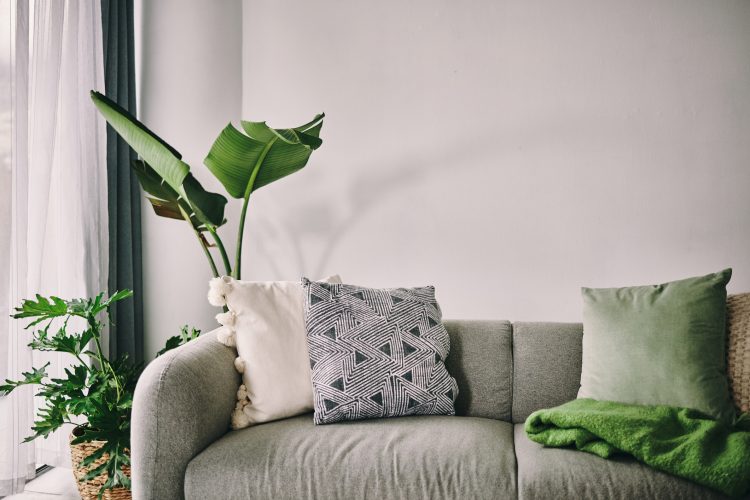
A visually well-designed home is more than its colors and patterns. It’s also about balancing textures to create depth and interest. Texture also adds dimension that catches both the eye and the hand, making rooms feel intentional and complete. For many homeowners, the challenge lies in layering materials so they complement each other without overwhelming the space. By tailoring the approach to each room, you can achieve a look that feels harmonious and inviting. Here’s a room-by-room guide to help you master texture layering.
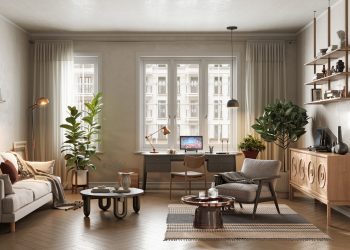
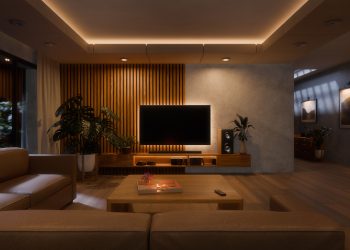
Living room: Balancing soft and structured
As the primary gathering spot, the living room should strike a balance between comfort and intention.
- Start with a grounding element: A textured rug, such as wool, sisal, or a silk blend, anchors the space.
- Mix seating finishes: Upholster sofas in a durable, woven fabric, then contrast with velvet or leather accent chairs.
- Layer accents: Add boucle or chunky knit throws, silk pillows, and smooth marble or glass tables to play off the sleek look.
Design tip: Use three to four textures in a similar palette to avoid chaos. For example, pair a boucle chair with a linen sofa and a polished stone table in tonal neutrals.
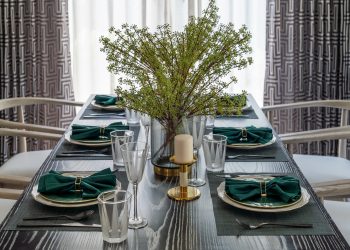
Dining room: Subtle sophistication
The dining room thrives on restraint. Here, texture should complement rather than compete with conversation and food.
- Emphasize the table surface: Natural wood grain, stone, or a lacquered finish creates visual weight.
- Introduce soft layers: Linen runners, velvet seat cushions, or leather-upholstered chairs add warmth to hard surfaces.
- Play with lighting texture: Chandeliers with beaded details, hammered metal pendants, or fabric shades add a subtle layer of overhead interest.
Design tip: Keep the palette tight. A neutral runner with metallic accents brings refinement without distraction.
Kitchen: Function meets warmth
Kitchens often lean heavily on hard finishes, such as wood or marble, and metal. However, layering textures can create a soft, lived-in, and welcoming feeling.
- Contrast surfaces: Pair glossy cabinetry with a honed stone backsplash or matte hardware for a striking effect.
- Incorporate natural accents: Woven stools, wood cutting boards, and ceramic bowls balance stainless appliances.
- Add practical textiles: A patterned runner or Roman shade softens the room while staying functional.
Design tip: Let functional items double as décor pieces. For example, a stack of hand-thrown pottery or wooden utensils adds visual texture and utility.
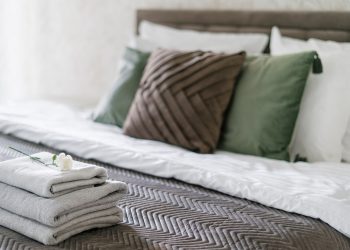
Bedroom: A cocoon of layers
The texture in the bedroom should feel enveloping, nd encourage rest and retreat.
- Layer the bed thoughtfully: Crisp cotton sheets, a quilted coverlet, and a velvet or linen duvet create depth.
- Add tactile contrasts: Smooth silk pillows against boucle or knitted throws create a sense of indulgence.
- Anchor with flooring: A high-pile rug or layered sheepskin adds warmth underfoot.
Design tip: Think in three layers for a complete, cohesive feel.
- Foundation: Rug and headboard
- Middle: Bedding
- Accents: Pillows and throws
Bathroom: Calm with contrast
Bathrooms typically lean toward sleek finishes, but layering textures prevents them from feeling cold and sterile.
- Soften stone and tile: Plush towels, Turkish rugs, and woven baskets bring a sense of balance.
- Incorporate tactile details: Matte fixtures, marble trays, or ceramic soap dishes can create subtle variation.
- Mix finishes: Pair glossy subway tile with honed stone counters or brushed hardware.
Design tip: Use varying sheens within the same palette to create depth without introducing more color. These sheens can be matte, gloss, and honed
Entryway: First impressions with impact
The entryway sets the tone for the entire home. This makes texture especially important.
- Ground the space: A woven or patterned rug immediately signals warmth.
- Introduce natural dimension: A console in textured wood or stone, topped with ceramic vases or metal trays, creates instant interest.
- Add wall texture: Grasscloth wallpaper, carved mirrors, or framed fabric panels bring depth to vertical surfaces.
Design tip: Choose one bold textural element to make the space memorable, while keeping everything else restrained to maintain a smooth flow.
Layering textures is about creating a sense of balance in a space. This could mean pairing soft with structured, matte with polished, organic with refined. By tailoring textures to a room’s function, you can create a space that feels polished and intentional without being overly styled. The result is a home that engages the senses, inviting both comfort and admiration in equal measure.