RISMedia
  • News
  • Premier
  • Reports
  • Events
  • Power Broker
  • Newsmakers
  • More
    • Publications
    • Education
No Result
View All Result
  • Agents
  • Brokers
  • Teams
  • Marketing
  • Coaching
  • Technology
  • More
    • Headliners New
    • Luxury
    • Best Practices
    • Consumer
    • National
    • Our Editors
Join Premier
Sign In
RISMedia
  • News
  • Premier
  • Reports
  • Events
  • Power Broker
  • Newsmakers
  • More
    • Publications
    • Education
No Result
View All Result
RISMedia
No Result
View All Result

10 Tips for Using a Generator Safely

Home CRISIS-Friendly
March 23, 2022, 11 am
Reading Time: 3 mins read

Whether it’s a hurricane, blizzard, Nor’easter or another variety of weather event, losing power for an extended period of time is not just an inconvenience—it can put your family’s well-being at risk.

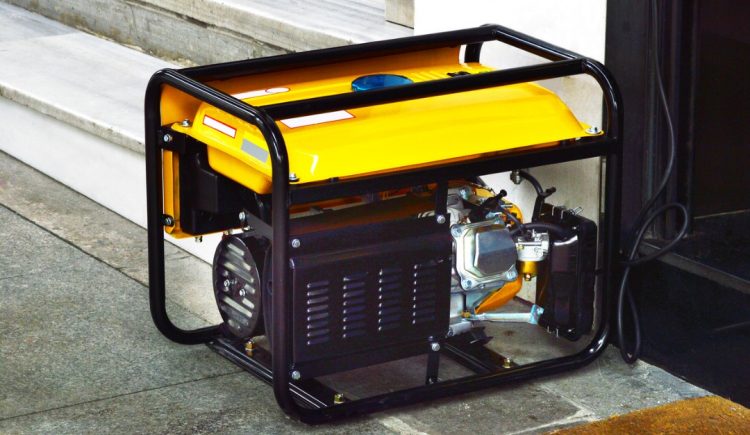
In light of this, many homeowners have opted to invest in a portable generator, a more affordable option than the whole-house variety. While a welcome addition to your home and emergency preparedness plan, a generator must be used properly in order to avoid risk. Be sure to keep the following ten tips in mind for safely operating a generator, courtesy of the Outdoor Power Equipment Institute (OPEI). 

  1. Get to know your generator before you use it. Make sure your equipment is in good working order before starting it up. Do this well before a storm hits so that you are safely prepared for when you lose power.
  2. Thoroughly review the directions. Be sure to follow all manufacturer’s instructions and review the owner’s manuals so that the equipment is operated safely. If you’ve misplaced your manual, you can probably find it online.
  3. Install a battery operated carbon monoxide detector in your home. This alarm will sound if it detects dangerous levels of carbon monoxide within your home. 
  4. Have the right fuel on hand. Use the type of fuel recommended by the generator manufacturer. According to OPEI, it is illegal to use any fuel with more than 10% ethanol in outdoor power equipment. While fresh fuel is always the best option, if you have to use fuel that’s been sitting in a gas can for more than 30 days, add fuel stabilizer to it. Store gas only in an approved container and away from heat sources.
  5. Ensure portable generators have plenty of ventilation. Generators should never be used in an enclosed area or placed inside a home, building or garage, even if the windows or doors are open. Place the generator outside and away from windows, doors and vents that could allow carbon monoxide to drift indoors.
  6. Keep the generator dry. Do not use a generator in wet conditions. Cover and vent a generator. Model-specific tents or generator covers can be found online for purchase and at home centers and hardware stores.
  7. Only add fuel to a cool generator. Before refueling, turn the generator off and let it cool down.
  8. Plug in safely. If you don’t yet have a transfer switch, you can use the outlets on the generator. It’s best to plug in appliances directly to the generator. If you must use an extension cord, it should be heavy-duty and designed for outdoor use. Make sure the cord is free of cuts, and the plug has all three prongs.
  9. Install a transfer switch. A transfer switch connects the generator to the circuit panel and lets you power hardwired appliances. Most transfer switches also help avoid overload by displaying wattage usage levels.
  10. Do not use the generator to “backfeed” power into your home electrical system. Trying to power your home’s electrical wiring by “backfeeding” – where you plug the generator into a wall outlet – is dangerous. You could hurt utility workers and neighbors served by the same transformer. Backfeeding bypasses built-in circuit protection devices, so you could damage your electronics or start an electrical fire.
Paige Brown

Paige Brown

As Managing Editor, Social Media & Blog, Paige oversees RISMedia’s social media editorial and creative strategy, as well as managing content for the Housecall Blog, ACESocial and other editorial projects. She also helps develop marketing materials, email campaigns and articles for Real Estate magazine. Paige graduated from Central Connecticut State University with a B.A. in Journalism and Public Relations.

Related Posts

How to Prioritize School Districts and Property Value When Buying and Selling
CRISIS-Friendly

How to Prioritize School Districts and Property Value When Buying and Selling

March 4, 2026
How to Time Your Home Purchase When Inventory Is Low
CRISIS-Friendly

How to Time Your Home Purchase When Inventory Is Low

March 4, 2026
A Room-by-Room Guide to Layering Textures
CRISIS-Friendly

A Room-by-Room Guide to Layering Textures

March 4, 2026
Creating Flexible Spaces That Adapt to Work, Play and Relaxation
CRISIS-Friendly

Creating Flexible Spaces That Adapt to Work, Play and Relaxation

March 4, 2026
Dining Room Touches That Make Gatherings Memorable
CRISIS-Friendly

Dining Room Touches That Make Gatherings Memorable

March 4, 2026
How Lighting Placement Transforms the Feel of a Room
CRISIS-Friendly

How Lighting Placement Transforms the Feel of a Room

March 4, 2026
Please login to join discussion
Tip of the Day

5 Key Reasons FSBOs Regret Not Using a Real Estate Agent

Some homeowners think selling their properties with no agent will save gobs of money on commissions. Almost always they come to regret it, settling on a price that could have been better, not to mention spending way more time on the process than they envisioned Read more.

Business Tip of the Day provided by

Recent Posts

  • Econ Review: A Look at March’s Key Market Data
  • Arizona’s REMAX Fine Properties & REMAX Solutions Merge
  • Mortgage Rates Continue to Climb in ‘Complicated Intersection’ of Geopolitics and Economic Policy

Categories

  • Spotlights
  • Best Practices
  • Advice
  • Marketing
  • Technology
  • Social Media

The Most Important Real Estate News & Events

Click below to receive the latest real estate news and events directly to your inbox.

Sign Up
By signing up, you agree to our TOS and Privacy Policy.

About Blog Our Products Our Team Contact Advertise/Sponsor Media Kit Email Whitelist Terms & Policies ACE Marketing Technologies LLC

© 2026 RISMedia. All Rights Reserved. Design by Real Estate Webmasters.

No Result
View All Result
  • Home
  • Premier
  • Reports
  • News
    • Agents
    • Brokers
    • Teams
    • Consumer
    • Marketing
    • Coaching
    • Technology
    • Headliners New
    • Luxury
    • Best Practices
    • National
    • Our Editors
  • Publications
    • Real Estate Magazine
    • Past Issues
    • Custom Covers
  • Events
    • Upcoming Events
    • Podcasts
    • Event Coverage
  • Education
    • Get Licensed
    • REALTOR® Courses
    • Continuing Education
    • Luxury Designation
    • Real Estate Tools
  • Newsmakers
    • 2026 Newsmakers
    • 2025 Newsmakers
    • 2024 Newsmakers
    • 2023 Newsmakers
    • 2022 Newsmakers
    • 2021 Newsmakers
    • 2020 Newsmakers
    • 2019 Newsmakers
  • Power Broker
    • 2025 Power Broker
    • 2024 Power Broker
    • 2023 Power Broker
    • 2022 Power Broker
    • 2021 Power Broker
    • 2020 Power Broker
    • 2019 Power Broker
  • Join Premier
  • Sign In

© 2026 RISMedia. All Rights Reserved. Design by Real Estate Webmasters.

X