While many across the industry were predicting interest rate cuts and a transition to a more balanced economy in 2026, the year so far has been shaping up a bit differently. Inflation remains elevated, mortgage rates are facing difficulty due to rising geopolitical tensions in the Middle East, and the Federal Reserve has yet to make a rate cut so far this year.
Now, another Fed governor is advising against any sudden moves, suggesting that a wait-and-see approach is necessary for the path forward, after other Fed members cautioned that the war in Iran has made rate cuts more uncertain.
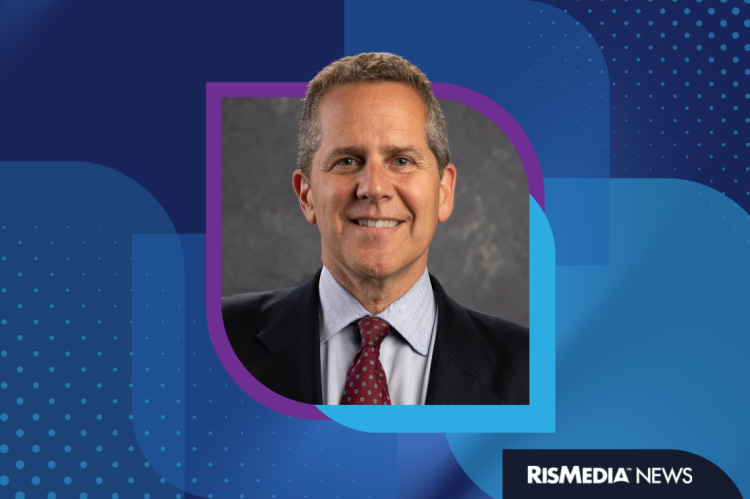
In a recent speech at the 2026 National Community Investment Conference in Phoenix, Arizona, Fed Governor Michael Barr took a minute to touch on the recent Federal Open Market Committee (FOMC) meeting and the organization’s potential path ahead.
The FOMC once again held rates steady in this recent meeting—continuing the trajectory the organization has been on since 2026 began—a decision that Barr said he supported as he feels the Fed “may need to keep rates steady for some time as we assess economic conditions.”
He noted that while the labor market has seen some stabilization “with low levels of job creation,” there have also been “low levels of people entering our workforce.” In addition, the economy continues to “contend with inflation notably above the FOMC’s 2% goal.”
“Goods inflation escalated over the last year, and non-housing services inflation has remained elevated,” he said.
The Fed’s favored inflation measure of the Personal Consumption Expenditures (PCE) price index saw elevated inflation persist in the most recent report, with annual inflation clocking in at 2.8% and core inflation (excluding food and energy) at 3.1%.
The recent Consumer Price Index has slightly more positive inflation numbers in comparison to the PCE, but did observe a slight rise due to an increase in housing inflation.
Barr added that while he is “hopeful” inflation will fall “as the effects of tariffs on prices wane later this year,” he “would like to see evidence that goods and services price inflation is sustainably retreating before considering reducing the policy rate further, provided labor market conditions remain stable.”
Barr also called out the aforementioned geopolitical tensions in the Middle East, and the associated risks to the economy via oil prices.
“Higher oil prices tend to pass through pretty quickly to gasoline prices, and higher gasoline prices can be particularly painful for low- and moderate-income families,” he explained.
Bright MLS Chief Economist Lisa Sturtevant previously noted that “if the conflict is prolonged or expands, the result could be higher inflation and higher mortgage rates.”
“In that case, we may be looking not just at a delay in the spring home-buying season, but at a broader shift in the trajectory of a housing market that had been expected to rebound in 2026,” she continued.
For Barr’s full speech, click here.