At the January Federal Open Market Committee (FOMC) meeting, the Federal Reserve chose to keep interest rates unchanged. Recent monetary policy decisions have been facing conflicting incentives; the Fed’s mandate is maximum employment and price stability, but the labor market has been showing signs of weakness as inflation has also been going up or staying stagnant.
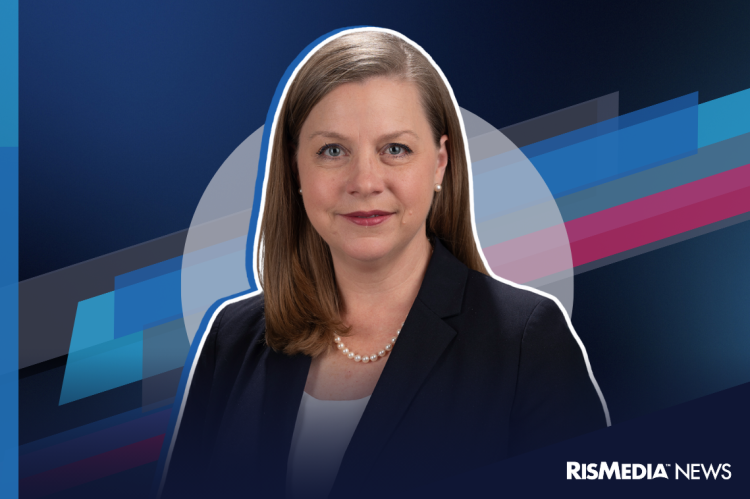
The Fed Minutes recap for the December 2025 FOMC, where rates were dropped by 25 basis points, showed that voting members are conflicted on the appropriate response. Federal Reserve Vice Chair of Supervision Michelle Bowman, who voted to keep interest rates neutral, explained her position at a “fireside chat” on Friday, January 30 at an assembly for bank directors at the SW Graduate School of Banking at SMU Cox in Oahu, Hawaii.
Bowman, who noted she projects three interest rate cuts this year, acknowledged the tight balance between addressing inflation and concerns in the labor market. Bowman believes that current monetary policy is slightly “restrictive,” but said that at the January FOMC she was weighing how quickly it would be appropriate to move toward a “neutral” state.
Looking ahead, she also pointed out that monetary policy decisions are not “preset,” but dependent on new economic data reports to determine the best response to ongoing trends. That sort of decision-making is why she voted to keep interest rates unchanged.
“Considering that inflation remains somewhat elevated, at this meeting I decided to lean in favor of waiting for the upcoming sequence of data releases in order to gain more certainty about how the economy is likely to evolve in the coming months,” she said. Despite acknowledging concerns about the labor market, Bowman’s reasoning suggests she did not think those concerns were so heightened—or so much higher than inflation—to warrant an immediate rate cut.
Looking toward the U.S. economy as a whole, Bowman characterized it as “resilient” and said she expects continued growth as the year carries on. She also said the Fed’s goal of 2% annual inflation is on track as soon as the inflationary effects of tariffs taper off. Bowman argued that based on consumer trend reports, core personal consumption expenditure (PCE) inflation is close to 2% when one removes the effects of the tariffs. The latest PCE inflation index assembled by the Bureau of Economic Analysis, which analyzed data from October-November 2025, found the latest annual inflation at 2.8%.
The labor market is where Bowman cited the most concerns, due to unemployment having risen in 2025. Even though the spike in unemployment has leveled off, Bowman pointed to signs it could pick back up. For one, the Conference Board’s job availability index hit its lowest point since 2021 this January. Bowman also pointed to two unnamed “large employers” announcing recent layoffs. Amazon, Home Depot and UPS have all announced major job cuts this past month.
“Job gains have been concentrated in just a few nonbusiness service industries that are less cyclically sensitive, with healthcare accounting for all private job gains last quarter,” noted Bowman, arguing even job growth could show worrisome signs for the broader picture. However, Bowman also expressed confidence that the labor market will “stabilize” once monetary policy hits a more neutral stance.
Voicing support for “supply side” policies and optimism related to continued AI investment, Bowman painted a view of long-term optimism regarding the U.S. economy: “Less restrictive regulations, lower business taxes and a more favorable business environment will continue to boost supply—largely due to higher productivity—and more than offset any negative effects on economic activity and inflation from other policies.”
Read Bowman’s full speech here.