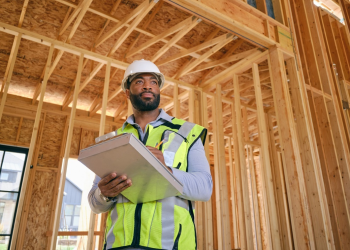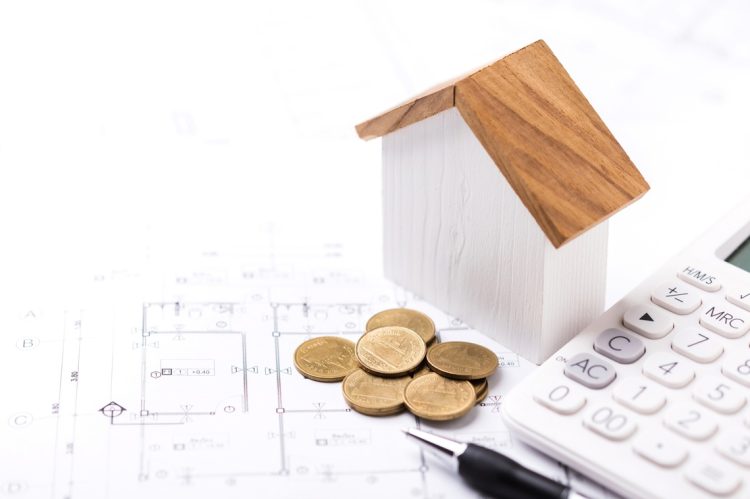
As inflation and economic challenges continue to put pressure on the housing construction industry, rising construction costs may point to continued affordability challenges for homebuyers, according to the latest data.
The Producer Price Index (PPI) from the Bureau of Labor Statistics released last week found that construction costs for single-family homes were up by 3.2% year-over-year in January. In addition, the cost of services for single-family residential construction has risen 4.7% over the past year.
Homes.com Chief Economist Brad Case explained in an analysis that builders are “struggling to find enough workers” for these labor-intensive services—such as framing, electrical work, plumbing, roofing and more—as “immigration policy has shaped that workforce.” Residential contractor jobs saw an almost 10% drop between January and February, according to government data.
“When laborers are scarce, wages rise, and those higher costs show up quickly in the cost of building a home,” he continued.
Builder confidence data from the National Association of Home Builders (NAHB) reflects construction industry issues, as readings have remained in negative territory throughout 2025 and into the beginning of 2026.
The PPI also reported that cost of construction goods saw a rise year-over-year of 2.1%, which Case noted was smaller than that of the rise in services as “lumber, copper and other materials are not the primary driver of construction‑expense inflation right now.”
Case explained that while the PPI’s latest results don’t “point to anything sudden or dramatic,” they do explain “why progress on affordability can feel so slow.”
“The affordability implications are straightforward: Higher construction costs make it harder to build affordable homes for middle‑income and first‑time buyers,” he continued. “Builders often respond by focusing on projects in which the margins are more resilient, which limits the flow of lower‑priced new homes even where demand remains strong.”
Less growth in housing construction also puts upward pressure on existing-home prices, Case noted, as inventory remains more scarce without expansion of construction.
“Even if demand softens, it’s hard to make meaningful gains when the cost of building a home keeps drifting higher—especially when the fastest‑rising part of the cost is labor‑intensive services,” he added. “That doesn’t mean affordability can’t improve, but it does signal that the path is likely to be gradual rather than quick.”
Economists have said in order for the construction industry to be able to overcome the challenges facing it, there needs to be governmental intervention.
As NAHB Chief Economist Robert Dietz said, a strong solution would be the “enactment of policies that will bend the construction cost curve and enable additional supply of attainable housing.”
Eyes remain now on the Senate and its impending vote on the Housing for the 21st Century Act, which aims to increase housing supply in the U.S. through removing certain building and lending regulations as well as adjusting certain programs overseen by the Department of Housing and Urban Development (HUD).
The easing of inflation should also “continue to allow lower interest rates for mortgages and builder loans,” as Dietz noted, creating another path for increased construction.