As 2026 moves forward amid rising inflation and a fairly soft labor market, are leading indicators pointing to a better near-term economy?
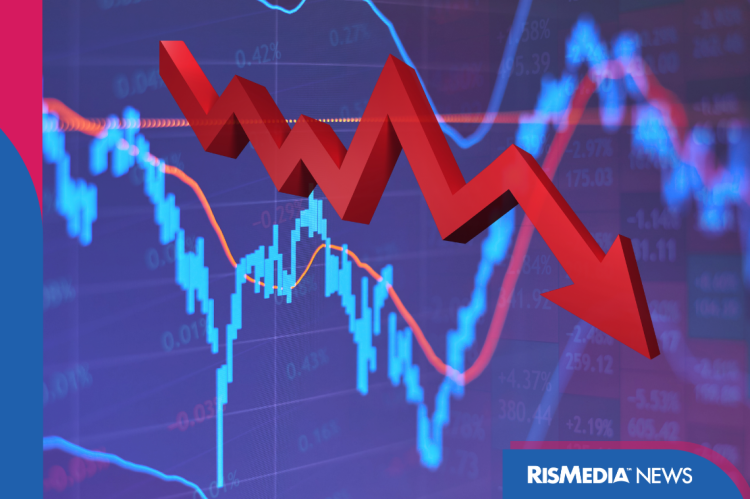
The nonprofit research firm The Conference Board’s latest monthly Leading Economic Indicators report found a slight decline as the Board’s Leading Economic Index hit 99.1 in June, a 0.2% downturn compared to the previous month. (For reference, the index is measured against conditions in 2016, which is benchmarked at 100.)
One of the components of the index is building permits for new private housing units. A drop in building permits was one of the reasons for the overall decline, with building permits for private housing declining by 0.09% in June alone and by 0.24% in the first half of 2026.
Justyna Zabinska-La Monica, the Conference Board’s senior manager, business cycle indicators, described the index results as having “partially reversed gains registered in May and April.” Any positive developments “were not enough to offset weak consumer expectations and a drop in building permits across most of its categories,” said Zabinska-La Monica in a statement.
The report notes, though, that the index was also down by only 0.3% in the first half of 2026, compared to the greater 1.1% decline in the second half of 2025.
“Despite the recent decline, the LEI’s six- and twelve-month growth rates, while negative, were stable. Consumer spending is weakening, but strong business investment related to AI is expected to support economic activity while inflation continues to improve,” Zabinska-La Monica added. Moreover, despite the decline, the index’s current trajectory remains well above the red line benchmark indicating a recession.
The Coincident Economic Index, measuring the current state of the economy by payroll employment, manufacturing and trade sales, personal income and industrial production, actually posted a small increase of 0.2% in June 2026, hitting 114.6. This comes off a previous 0.2% increase in May, as well as a 0.4% increase in the first half of 2026.
The Lagging Economic Index, measuring and affirming previously recorded economic trends, was unchanged in June at 120.5, and also experienced a 1.1% growth in the first half of 2026.
For the full report, click here.