RISMedia
  • News
  • Premier
  • Reports
  • Events
  • Power Broker
  • Newsmakers
  • More
    • Publications
    • Education
No Result
View All Result
  • Agents
  • Brokers
  • Teams
  • Marketing
  • Coaching
  • Technology
  • More
    • Headliners New
    • Luxury
    • Best Practices
    • Consumer
    • National
    • Our Editors
Join Premier
Sign In
RISMedia
  • News
  • Premier
  • Reports
  • Events
  • Power Broker
  • Newsmakers
  • More
    • Publications
    • Education
No Result
View All Result
RISMedia
No Result
View All Result

Good Debt vs. Bad Debt

Home Consumer
By Larry Frank
May 3, 2015
Reading Time: 2 mins read

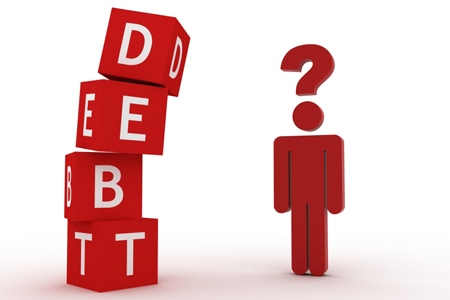
debt_good_bad(TNS)—People tend to lump all debts together, yet they are not all equal. Knowing the distinction between a good debt and a bad one can help you make better financial decisions.

Not that long ago, when people needed extra large sums of money, their home equity was their go-to source of loans. After the housing crisis, they almost went the way of the dodo bird. Then, the new popular source to borrow from became 401(k)s, because: “What’s the harm? I’m just borrowing from myself.” (For the record, don’t borrow from your 401(k). It costs you terribly in the long run.)

Instead of getting yourself into nasty debt spiral when you need to resort to your retirement savings, you should understand the nature of your loan. The key is to know the difference of good debt, necessary debt and bad debt.

Good debt grows your value over time. A mortgage is an example of good debt. It is for an asset — your house — that serves your shelter needs, contributes to your net worth and tends to appreciate. But this scale can get tipped into bad debt when, for example, you have a mortgage you can’t afford or you try to bet your chances to buy and sell in a short time.

There is necessary debt for things that improve your station in life. A student loan, for example, is a necessary debt to fund your education, which builds earnings potential. A car loan for transportation to get you to your job is another example — but again, borrowing excessively for a luxury car tips the scales to bad debt.

Debt for consumption is bad. Consumer goods almost always go down in value. Examples of bad debt: clothing, vacations and food. Paying months or years into the future for something you consumed yesterday is not how you get ahead financially.

If you have debts, regardless of the source, retire them as soon as you can with higher payments than an installment plan or credit card minimum calls for.

Two debt-reduction strategies are useful: 1) the snowball approach where you pay off the smallest balance first, then move on to the largest and 2) the roll-down method where you put extra funds toward the balance with the highest interest rate first. The latter gives you psychological boost as you see the number of loans dropping, while the former saves you more on interest.

The more you pay, the sooner that monkey is off your back and the less you pay on interest. And, more importantly, the sooner you are debt-free, the sooner you can start saving. You can’t get ahead until you have liquid savings and investments.

©2015 AdviceIQ
Distributed by Tribune Content Agency, LLC.

ShareTweetShare

Related Posts

Market Momentum: November: A Month Defined by Balance
Industry News

Market Momentum: November: A Month Defined by Balance

December 19, 2025
Mortgage
Industry News

Mortgage Mix: CFPB Proposal Raises Fair Housing Concerns

December 19, 2025
Improving Conversations With Real-Time Coaching
Industry News

Improving Conversations With Real-Time Coaching

December 19, 2025
compass
Agents

Democratic Senators Center Consumer Issues in Letter Opposing Compass-Anywhere Deal

December 19, 2025
Sales
Industry News

Existing-Home Sales Up for Third Month; Inventory Growth Stalls for Winter

December 19, 2025
Consumer sentiment
Economy

Consumer Sentiment Improves Slightly at Year’s End

December 19, 2025
Please login to join discussion
Tip of the Day

7 Potential Under-the-Radar Issues That Could Derail a Deal

Key issues include the property’s history, potential environmental hazards and neighborhood dynamics that aren’t immediately obvious. Read more.

Business Tip of the Day provided by

Recent Posts

  • Market Momentum: November: A Month Defined by Balance
  • Mortgage Mix: CFPB Proposal Raises Fair Housing Concerns
  • Improving Conversations With Real-Time Coaching

Categories

  • Spotlights
  • Best Practices
  • Advice
  • Marketing
  • Technology
  • Social Media

The Most Important Real Estate News & Events

Click below to receive the latest real estate news and events directly to your inbox.

Sign Up
By signing up, you agree to our TOS and Privacy Policy.

About Blog Our Products Our Team Contact Advertise/Sponsor Media Kit Email Whitelist Terms & Policies ACE Marketing Technologies LLC

© 2025 RISMedia. All Rights Reserved. Design by Real Estate Webmasters.

No Result
View All Result
  • Home
  • Premier
  • Reports
  • News
    • Agents
    • Brokers
    • Teams
    • Consumer
    • Marketing
    • Coaching
    • Technology
    • Headliners New
    • Luxury
    • Best Practices
    • National
    • Our Editors
  • Publications
    • Real Estate Magazine
    • Past Issues
    • Custom Covers
  • Events
    • Upcoming Events
    • Podcasts
    • Event Coverage
  • Education
    • Get Licensed
    • REALTOR® Courses
    • Continuing Education
    • Luxury Designation
    • Real Estate Tools
  • Newsmakers
    • 2025 Newsmakers
    • 2024 Newsmakers
    • 2023 Newsmakers
    • 2022 Newsmakers
    • 2021 Newsmakers
    • 2020 Newsmakers
    • 2019 Newsmakers
  • Power Broker
    • 2025 Power Broker
    • 2024 Power Broker
    • 2023 Power Broker
    • 2022 Power Broker
    • 2021 Power Broker
    • 2020 Power Broker
    • 2019 Power Broker
  • Join Premier
  • Sign In

© 2025 RISMedia. All Rights Reserved. Design by Real Estate Webmasters.

X