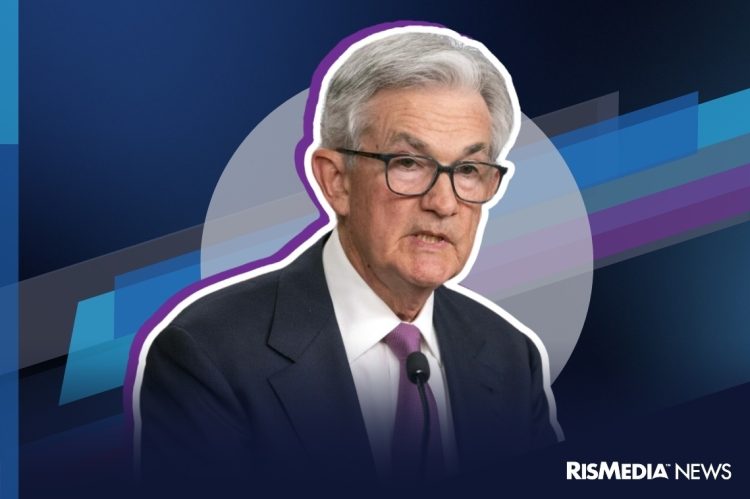
Federal Reserve Chair Jerome Powell will attend oral arguments at the Supreme Court Wednesday in a high-stakes case examining whether President Donald Trump can fire Fed Governor Lisa Cook, marking an unusual public show of support from the Fed chair, who has been the target of personal attacks and pressure from Trump and others in his administration.
This Supreme Court hearing is the latest chapter in an unprecedented attempt to remove one of the seven members of the Board of Governors, who are nominated by the President and confirmed by the Senate for their full term of 14 years.
Trump attempted to fire Cook in late August 2025 following allegations of mortgage fraud, but Cook has consistently denied any wrongdoing. In a statement shared with the New York Times, she noted her plans to carry out her term to January 2038.
“President Trump purported to fire me ‘for cause’ when no cause exists under the law, and he has no authority to do so,” she continued. “I will continue to carry out my duties to help the American economy as I have been doing since 2022.”
Fed independence
Powell’s planned attendance comes as he wages a broader battle to preserve the Fed’s independence from political pressure. Earlier this month, Powell announced that the Fed was served with grand jury subpoenas “threatening a criminal indictment.”
In a video statement, Powell characterized the threats as pretexts: “No one—certainly not the chair of the Federal Reserve—is above the law. But this unprecedented action should be seen in the broader context of the administration’s threats and ongoing pressure,” he said.
Legal background and implications for mortgage markets
Cook sued Trump in federal court in D.C., seeking to block her removal, and a federal judge issued an order on Sept. 9, 2025, requiring the Fed to allow Cook to remain in office while her challenge to her firing moves forward. In October, the Supreme Court agreed to hear the case while allowing Cook to remain in her position.
If Trump succeeds in removing Cook, he could appoint another person to fill her slot, which would give his appointees a greater influence over the central bank’s decisions on interest rates and bank regulation. This shift could have significant implications for mortgage rates and the broader housing market, areas where Fed policy plays a crucial role.