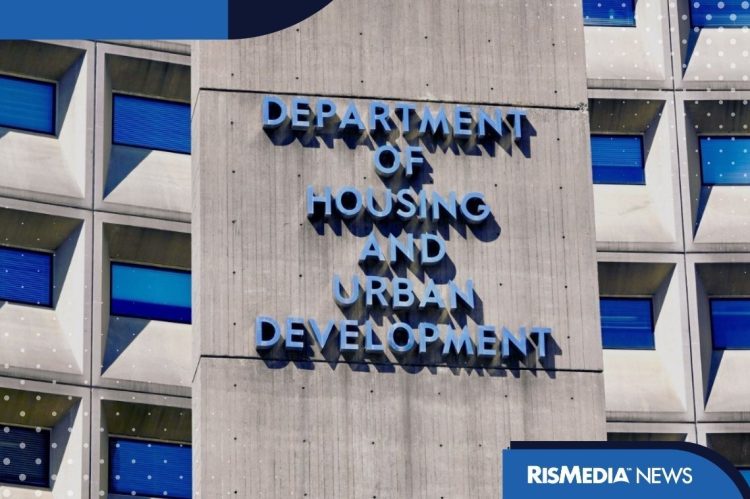
On Wednesday, Aug. 26, U.S. District Judge Myong Joun in the federal district of Massachusetts ruled that the Department of Housing and Urban Development (HUD) failed to justify a significant restructuring of a landmark fair housing program, after HUD said it would not disburse monies to hundreds of nonprofits that are charged with combatting housing discrimination.
The National Fair Housing Alliance (NFHA) and the Massachusetts Fair Housing Center had sued the administration in July and asked for a court-ordered pause on HUD’s new plan to distribute around $56 million in federal monies away from over 100 fair housing-focused nonprofits.
“When someone is wrongfully turned away from a housing opportunity because they have experienced domestic violence, because of a disability, their gender, or the color of their skin, they don’t call Washington. They call the fair housing organization in their community. HUD tried to shut the doors of the frontline groups who fight housing injustice and today a federal court emphatically said ‘no,’” she said.
Joun noted that the program in question, the Fair Housing Incentives Program (FHIP), “expressly enumerates contracting with private enforcement organizations, funding fair housing organizations, and providing education and outreach as its main aims.”
The ruling is another setback in the second Trump administration’s push to upend interpretations and enforcement of fair housing, with the administration saying it is seeking to curb wasteful spending and red tape, and enforce the law “as written.” HUD had claimed that organizations accepting FHIP needed to get 50% of their funding from non-governmental sources.
According to Joun, HUD had argued that its new plan to send the $56 million to five organizations that mostly don’t work in fair housing would actually “broaden participation, increase innovation, and strengthen the national fair housing infrastructure.” That explanation “belies credulity,” he wrote, granting the plaintiffs’ request to pause the new plan for grants.
Lisa Rice, President and CEO of the NFHA, said in a statement that the local nonprofits that would have been cut off from grants provide vital services to buyers and renters facing housing discrimination.
“Under President Trump and (HUD) Secretary (Scott) Turner’s leadership, the free lunch for activists has ended,” Deputy HUD Secretary Andrew Hughes told multiple media outlets when the changes were announced.
Critics and fair housing organizations have pushed back in court, arguing the new rules and priorities are putting housing further out of reach for many Americans as well as increasing housing insecurity.
The NFHA said in a statement the proposed new grant distribution “would have caused some fair housing organizations to go out of business and others to lay off staff, significantly reducing their services to people experiencing discrimination and housing insecurity.”
“Today’s ruling means the people who need us in the state still have somewhere to turn,” said Vineeth Hemavathi, Executive Director of the Massachusetts Fair Housing Center, in a statement.
In his order, Joun reinstated the 2024 plan for FHIP, writing that the funding was set to expire at the end of September, which supported plaintiffs’ argument that they would suffer “irreparable harm” if the new plan wasn’t blocked.
The NFHA noted that HUD has already sought to change 2026 grant allocation under FHIP that they claim would again “unreasonably” move monies away from fair housing organizations, saying they have already asked the court to “set those aside as well.”
Joun said that request was out of the scope of his current ruling.
HUD did not immediately respond to a request for comment.