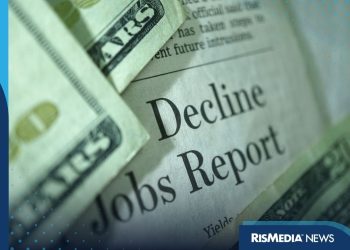
Job growth trended downward and came in below expectations in June, per the latest findings from the U.S. Bureau of Labor Statistics.
This adds another data point as the Federal Reserve moves to consider adjusting interest rates in coming months; in previous months, the Fed has been caught between both rising inflation and a weak labor market as real estate professionals hold out hope for mortgage rate relief.
Per the report, employers added 57,000 jobs in June 2026, a lower-than-expected result, compared to revised findings of 148,000 new jobs in April and 129,000 new jobs in May. The unemployment rate dropped slightly month over month from 4.3% (which had previously remained unchanged for three consecutive months) to 4.2%, but this is reportedly due to more people job hunting altogether.
Heather Long, chief economist of the Navy Federal Credit Union, described the report as “disappointing,” pointing to an expected figure of 115,000 new jobs compared to the real 57,000. These June findings, a reversal from a more positive trend suggested by the May 2026 numbers, was described as a “delayed reaction” to the U.S.-Iran war by Christopher Rupkey, chief economist at financial market research company FWDBONDS per Reuters.
In a statement, Jake Krimmel, chief economist of Realtor.com®, painted a picture of cautious optimism for the summer 2026 housing market. Krimmel cited the “month of stability” for the housing market in June.
“Mortgage rates steadied through June, hovering around 6.5%, and that same stability showed up in Realtor.com’s June report: Pending sales rose for a seventh straight month, and homes spent no more time on market than they did a year earlier for the first time in 26 months,” Krimmel explained.
“Now that we can see the summer job growth trend take shape, the labor market isn’t providing much of a tailwind for housing demand—a 110,000 three-month average is a moderate pace at best,” Krimmel continued. “But it isn’t a headwind either, and an unemployment rate ticking down rather than up, as some had expected, is a good sign. Continuity in job growth is no small thing, especially against the volatile backdrop of rates, inflation and uncertainty we saw earlier this spring.”
Interest rate implications
At the most recent Federal Open Market Committee (FOMC) meeting, the Federal Reserve chose to keep interest rates unchanged. A weak labor report could offer incentive to cut interest rates. However, the June Personal Consumption Expenditure Index (PCE), the preferred inflation gauge for the Fed, found the largest increase in inflation recorded in three years.
Krimmel said it is quite unlikely this report will change the Fed’s decision-making on monetary policy.
“The fact that it won’t only reinforces their commitment to taming inflation,” Krimmel argued. “Despite the downward surprise, there’s nothing in today’s report that reads as a true red flag or a warning sign for the labor side of the dual mandate. Chairman Warsh has been focused far more on inflation than employment anyway, and today’s numbers, however soft the headline, don’t point to any worrying labor trends that could force the FOMC’s hand or even have them reconsider their stance.”
Fed officials have previously indicated that if inflation continues to rise, then an interest rate hike could be on the table. Reuters reported that investors predict that this report makes a rate hike less likely in the short term, but are still planning for tighter monetary policy by September.
For the full report, click here.