Jerome Powell’s tenure as chair of the Federal Reserve concludes on May 15, bringing the eight years he has spent in the role to a close. Since the second Trump administration commenced, Powell (who was appointed to the Fed by Trump in 2018) has come under criticism from the President for, in Trump’s view, a tendency of being too slow in cutting interest rates; under Powell, the Fed maintained a goal of 2% annual inflation.
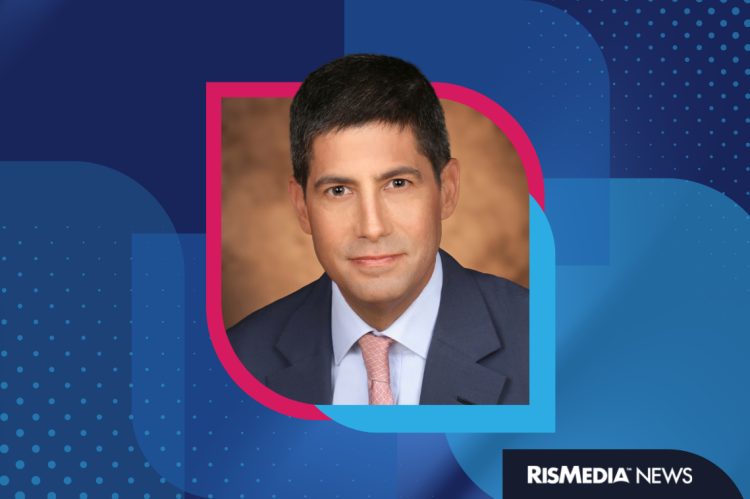
Trump’s nominee to replace Powell, Kevin Warsh, will soon reveal whether he will be more of a dove on monetary policy, because on Wednesday, the U.S. Senate confirmed Warsh’s nomination. Warsh, who served on the Federal Reserve board from 2006-2011 and worked in the private sector since, had previously argued for less restrictive interest rates prior to his confirmation.
However, before and following Warsh’s confirmation, some—including Trump allies—have contested the idea he will be able to lower interest rates (which applies downward pressure on mortgage rates) even if he did want to. The most recent Consumer Price Index (CPI), measuring inflation, found 3.8% inflation. This has been attributed in large part to the U.S.-Iran war and the resulting spikes in energy prices.
“I don’t see how Kevin can make that case (for lower interest rates),” said former Cleveland Fed President Loretta Mester per Politico. Boston Fed President Susan Collins, a none-voting member of the Federal Open Market Committee has also suggested the Fed might even need to hike interest rates if inflation continues to rise.
Former Trump advisor Steve Bannon has also said that interest rates are unlikely to be cut at the next Federal Open Market Committee (FOMC) meeting in June. In conversation with Bannon, conservative commentator Eric Boiling suggested that there will be no further interest rate cuts in 2026, and a rate hike might even be needed to curb inflation.
At the previous FOMC meetings this year, the voting board has chosen to keep interest rates steady, due to simultaneously rising inflation and a soft labor market. However, there has been division between the board members, as documented in Fed Minute recaps of the meetings. Stephen Miran, appointed by President Trump in 2025, has consistently voted in favor of lowering interest rates.
The Senate vote, 55-45 in favor of Warsh, was largely partisan; Senator John Fetterman (PA) was the only Democrat to vote for Warsh. This follows a combative Senate confirmation hearing where Democratic Senators grilled Warsh on topics from how independent he will be from the President’s policy wishes to his business history.
During the confirmation hearing, Warsh consistently denied any allegations that the President pushed him to cut interest rates or that he agreed to do so. He further disputed a December 2025 interview by the Wall Street Journal wherein Trump claimed Warsh had indeed agreed to cut interest rates.
Stiff partisanship is not only seen in congress. Powell has chosen to remain on as a Fed governor after his term as chair ends on May 15, defying tradition for Fed chairs to resign altogether once their term ends. This indicates he wants to continue playing an active role in monetary policy, and it also denies the Trump administration a chance to fill a vacancy on the board. Trump has claimed he will fire Powell if he does not vacate his seat on the Fed.
Industry reaction to confirmation
Selma Hepp, chief economist at Coality, shared a statement on what Warsh’s confirmation—and the type of Fed Chair he is expected to be—could mean for the housing sector.
“Generally, a Warsh-led Fed could be modestly more dovish on rates, anchored by productivity optimism, while still carrying a hawk’s credibility. For housing, the key is whether he builds consensus across the Fed that reduces policy and mortgage-rate volatility, and keeps affordability from slipping further for households.”
“A Warsh-led Fed matters for housing less because of where rates are today and more because of how policy is communicated going forward,” Hepp continued, citing Warsh’s comments in his confirmation hearing on his support for “discipline, independence, and the need for the Fed to ‘stay in its lane,’ while avoiding any pre‑commitment on rate cuts.” Warsh’s views on reducing the Fed’s balance sheet and rethinking communication methods could “keep mortgage rates volatile” even if overall rate policy drops, Hepp said.
“The risk for housing is that affordability remains trapped: rates may ease only gradually while prices stay elevated due to limited supply,” Hepp concluded. “The opportunity, if Warsh succeeds in restoring Fed credibility, is a steadier long‑term financing environment that allows builders, lenders, and buyers to plan with greater confidence.”