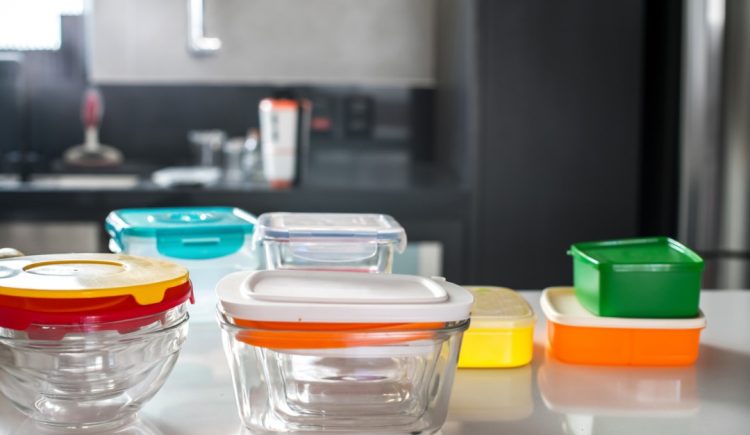
While you may pride yourself on the number of household items you’ve held onto for ages, you could be doing more harm than good. Certain items are not meant to be kept for extended periods of time, let alone forever. Better Homes & Gardens provides useful guidance on the safe lifespan of various items—take a look and start clearing out those things around your house that have overstayed their welcome.
Sponges – Don’t keep kitchen sponges around for more than a month—less if they’re particularly dirty or odorous. Within the month, give them a cleaning with high heat or disinfectant that kills bacteria.
Plastic Containers – While it’s great to hold onto those plastic containers often used for take-out food, they’re not meant to be kept forever. Plastic breaks down over time and can leach into your food. Check to see if they’re recyclable and discard them every few years, sooner if it becomes discolored, warped or cracked.
Pillows – The material that’s used to stuff pillows breaks down over time, making them prone to dust mites, which can trigger allergies. They also slowly absorb dirt and oil from your body. Be sure to change out your pillows every few years; you may be able to donate old ones—after washing them—to a local animal shelter.
Household Cleaners – After two years, the ingredients that make cleaners effective usually start to break down, so toss them and replace with new solutions. Water soluble cleaners can be poured down the drain with running water, then recycle the plastic containers. For more hazardous products, such as oven cleaner, contact your local waste disposal office to determine the best way to get rid of them.
Oils and Spices – The shelf life for cooking oils is two years—spices, just one year. Light and heat break them down over time to make them less flavorful. Store your oils and spices in a cool dry space to help preserve them as long as possible. You’ll know your spices are past their prime when you pinch a little between your fingers and they fail to emit their usual aroma.
Sunscreen – The sun-blocking components in sunscreen break down after a year and will, therefore, no longer effectively protect your skin. Throw them out by the expiration date or after every season.