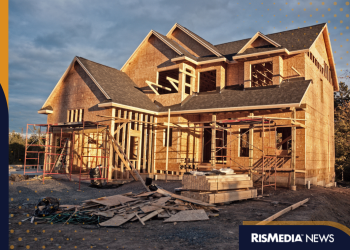
The easing of some housing regulations outlined in the recently passed 21st Century Road to Housing Act, combined with an effort to build new homes on the nation’s lot of empty building lots, could result in a meaningful improvement to the housing shortage, new research shows.
According to a new study by Zillow, with the country currently being 4.7 million homes short of what is needed, if one home were built on every empty lot listed for sale, that shortage would shrink by more than 6%.
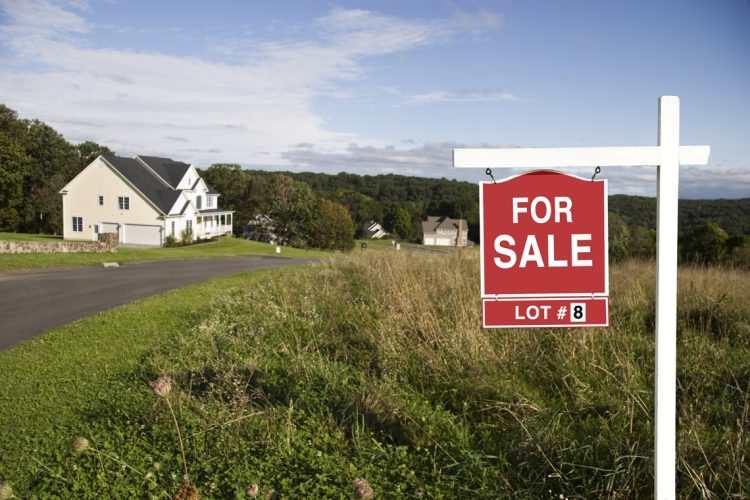
Zillow tallied the more than 300,000 empty lots sized 5 acres or smaller listed for sale on its portal in June, which make up 17.4% of all for-sale listings, and found building just one home on each of those lots would bring the total housing deficit down to roughly 4.44 million homes, a 6.3% reduction from the latest estimate. The typical lot for sale is 0.57 acres—large enough, in many cases, to support more than one home, meaning the 6.3% figure is conservative, Zillow stated.
“The more than 300,000 lots currently listed for sale represent the lowest-hanging fruit in addressing a housing shortage that’s two decades in the making,” said Kara Ng, senior economist at Zillow. “The challenge is making it feasible to build. Loosening zoning rules, streamlining permitting and expanding access to financing would reduce the cost and uncertainty that hold construction back, turning available lots into much-needed homes. The ROAD to Housing Act is an encouraging sign that policymakers understand what it will take to close the gap, but some of this reform will need to happen at the state and local levels.”
Where the empty lots are
The five states with the most empty lots listed are Florida (42,601), Texas (40,907), California (18,508), North Carolina (14,226) and Georgia (10,334). In states such as North Dakota, South Dakota and Alaska, empty lots make up more than one-third of all for-sale listings—45.9%, 38.7% and 34.6%, respectively.
According to the research, rural markets have the highest concentration of empty lots, at 25.3% of all for-sale listings, compared to 13.6% in the suburbs and 9% in urban areas. Rural lots are also the least expensive on a per-acre basis with a median of roughly $75,000 per acre, compared to more than $181,000 per acre in suburban areas and about $500,000 per acre for urban lots.
Clearing the path to more homes
Zillow says closing a gap this large requires solutions that address the problem from multiple angles. Zillow advocates for measures that make it easier and less expensive to build, such as modernizing zoning to allow more density, streamlining permitting, expanding financing options and expanding access to lower-cost housing options like manufactured homes. Manufactured homes are particularly well-suited to helping close this gap, the research shows, as they can be built faster and at a fraction of the cost of traditional, site-built construction. Recent legislation, including the 21st Century ROAD to Housing Act, is already addressing some of those barriers.
One hurdle for buyers interested in these lots is navigating a fragmented process, Zillow says, of finding land, selecting a home type and securing financing–typically three separate and confusing steps. Zillow notes it is working to change that through innovative solutions, such as the company’s participation this summer in a 12-week federal tech sprint with the U.S. Census Bureau’s Opportunity Project; its focus is on finding ways to increase access to small-dollar housing loans in rural communities.
These efforts are part of Zillow’s larger research on finding ways to reduce frictions for consumers who are interested in purchasing and building on an empty lot.
To read the full report, including each state’s number of empty lots, click here.