Who doesn’t like the look of a sleek, high-tech kitchen? It sure helps to sell a home on the market. But once someone’s actually cooking, ease of cooking is what counts. For Mark Stevenson, managing director and product designer at Stoveshield.com, there is a clear shift in how homeowners think about kitchen design.
“People are starting to realize that a beautiful kitchen is only successful if it works when someone is actually cooking,” he says. “The small things matter. Where the bin is, where the pans are stored, how easy the stove area is to wipe down and whether there is enough clear space beside the hob can make the difference between a kitchen that feels calm and one that feels stressful.”
Here are kitchen issues Stevenson advises avoiding.
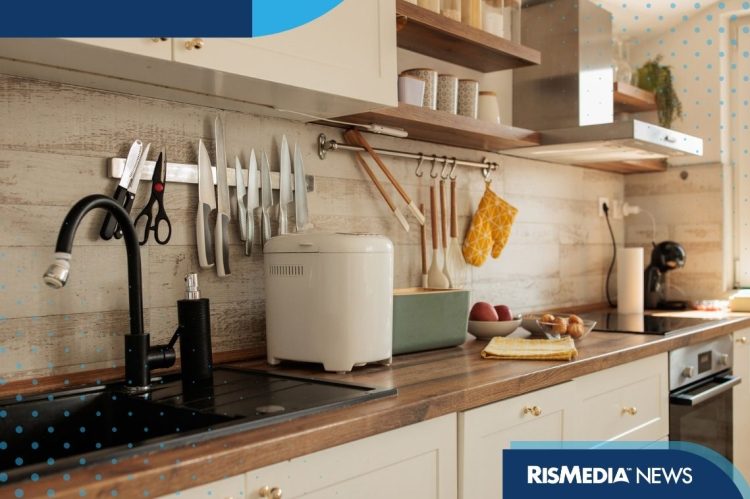
Storing pans too far from the stove. Pots, pans, lids, oils and seasonings should be close to the cooking zone. If someone has to cross the kitchen every time they need a pan or ingredient, cooking becomes slower and messier. “A good kitchen layout should reduce movement,” he says. “If the things you use most while cooking are stored too far away, the kitchen may look tidy, but it will not feel efficient.”
Choosing surfaces that are hard to clean. Worktops, splashbacks, and nearby finishes may look beautiful in a showroom, but the stove area deals with grease, steam, sauce splashes, heat and constant wiping. “People often choose materials based on how they look under perfect lighting,” says Stevenson. “The better question is how that surface looks after pasta sauce, oil splatter, and a busy week of cooking.”
Treating the stove area as an afterthought. The stove is one of the hardest-working parts of the kitchen, yet many renovations focus first on cabinets, colors, lighting and islands. Homeowners should plan protection, cleaning access, heat safety and nearby storage around the stove before finalising the design. The cooking zone is where most of the wear happens. If that area is awkward, exposed, or difficult to clean, the whole kitchen can become frustrating very quickly.
Hiding appliances without thinking about access. Hidden appliances and appliance garages are growing in popularity because they make kitchens look cleaner and less cluttered. But they can become annoying if used daily appliances are tucked away in awkward places. Before hiding appliances, homeowners should check ventilation, plug access, door clearance, heat, crumbs, and cleaning space.
Putting the bin too far from prep and cooking zones. Pull-out trash and recycling systems are gaining attention because they solve a real daily problem. During cooking, waste builds up quickly from packaging, food scraps, wipes and wrappers. A bin placed too far from the prep area or stove can make cooking feel more chaotic. “A well-placed bin is not glamorous, but it changes how a kitchen feels,” says Stevenson. “Good design often comes down to removing the little frustrations people repeat every day.”
Letting counter styling take over usable space. Too much styling can reduce the space people need for chopping, plating, cooling pans or setting ingredients down. Decor should never crowd the area around the stove. Counters are working surfaces first. A tray, vase, or lamp might look great in a photo, but anything placed too close to heat, steam or splatter can become a safety or cleaning issue.
Copying open-plan layouts without clear zones. Open-concept kitchens remain popular because they make homes feel connected and social. The mistake is creating one open space without clear zones for prep, cooking, cleaning, storage, and waste. A kitchen can be open and still have structure. “Open-plan kitchens need more planning, not less,” says Stevenson. “When everything is visible, clutter builds quickly and poor workflow becomes obvious. The goal should be a space that feels connected but still supports the way people cook.”