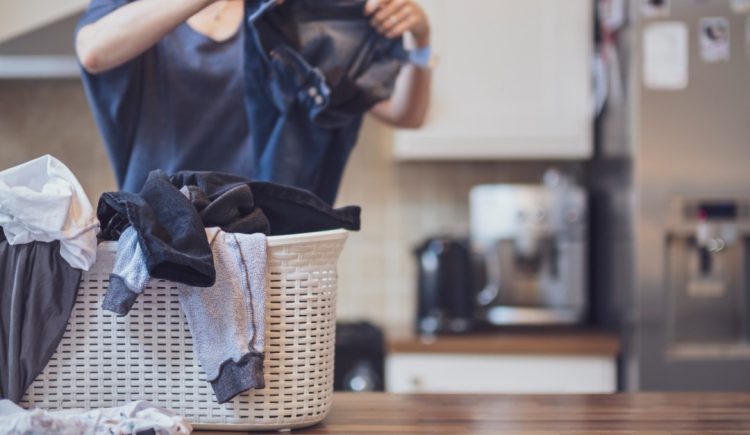
Laundry can feel like an unending and thankless task, no matter your laundry strategy. Whether you are an avid supporter of getting the chore completed in one traditional laundry day or you are a proponent of the “one load a day” technique, there’s no doubt that everyone wants an extra hack or two when it comes to getting through this task efficiently. These smart laundry sorting ideas may make your job a whole lot easier.
Sort by Person
If you are used to the traditional method of washing clothes by color, you may be shocked to consider a method that disregards this strategy entirely. However, many modern clothes come prewashed and preshrunk. This means that you are very unlikely to dye all your socks pink if you add a red shirt in the load. If you have a big family, or just want to make folding and cleanup easier, wash a load for each household member separately. Think of what you can do with all the time you’ve saved by not having to sort at the end of the dryer’s cycle.
Sort by Fabric Type
Kids’ clothes are built for their ruff and tumble habits, making them easy to wash on any setting without risking excess wear and tear. It is unlikely you can say the same thing about all women’s clothing or men’s dress shirts, however. Sort by fabric type to keep any delicate items together. Cotton t-shirts and daily wear items should go in one load, whereas synthetic items like gym clothes, delicate work shirts and dresses, and bulky fabrics, like bedding, should all go in their own loads, respectively. Sorting by fabric type is likely the best way to ensure a long life from your favorite garments.
Sort by Dry Time
Towels, lacy undergarments, bedding and everyday clothing all dry optimally under different conditions. However, many laundry sorting techniques ignore this fact entirely. To keep your delicate items in their best shape and to ensure that your bulky items get totally dry, sort by garment thickness. For lacy undergarments, activewear or any items containing elastic, be sure to dry on a delicate or air-dry cycle. Keep towels and bedding each in a separate load, and be sure to use the appropriately labeled wash and dry cycle. Remember that the inner filling of bedding can begin to mildew if it is not dried fully.