The human brain reacts to colors in a variety of ways. Some hues naturally make people feel relaxed and promote the production of sleep hormones, while other shades make people feel energized or stimulate the production of stress hormones.
This makes choosing the right color scheme for your bedroom incredibly important. Once you understand the effects of different colors, you’ll be able to select paint and furnishings that will help you get a good night’s sleep.
How Changing Your Bedroom Décor Can Impact Your Life
Decorating your bedroom with colors that promote rest and relaxation can increase the amount of time you spend sleeping each night. That can have wide-ranging effects on your daily life.
A good night’s sleep can make you feel more alert and energetic, which can help you focus and be more productive at work. Getting plenty of restful sleep on a regular basis can also improve your mood. That can have positive impacts on your relationships with other people, the way you manage stress, and your overall outlook on life.
Colors That You Should and Shouldn’t Use in the Bedroom
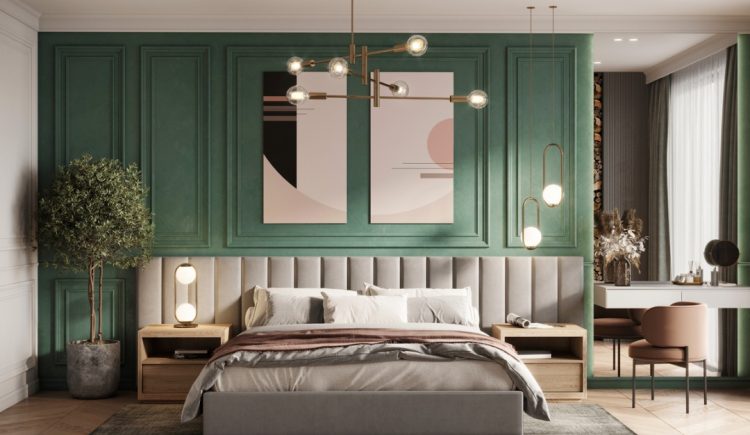
Blue, green, yellow, pink, orange, light shades of brown, white, and silver are all good colors to use to decorate your bedroom. Those colors naturally promote feelings of relaxation.
Red and colors with red undertones will stimulate your brain and make you feel alert, which is the last thing you want when you’re trying to fall asleep. Also, some people naturally perceive the color red as threatening. Bright purple has a reddish undertone that can make it difficult to relax and fall asleep.
You also shouldn’t paint the walls in your bedroom black, dark gray, or dark brown. Those colors can make you feel sad and depressed.
Pastels generally have a calming effect, while brighter shades will make you feel more alert and make it harder to fall asleep. If you have your heart set on incorporating purple or brown in your bedroom, use a light shade, such as lavender or a brown with an orange undertone.
How to Choose the Right Paint and Color Combination
When selecting paint for walls in your bedroom, choose a matte finish that will absorb light. Shiny paint that reflects light has a stimulating effect that can make it difficult to relax and fall asleep.
Think about how to incorporate several soothing colors into your bedroom’s décor. For example, you can paint the walls in one or more colors that promote sleep and select a comforter and curtains with other calming colors.
Combine colors that are next to each other on the color wheel. Using contrasting colors in the bedroom can stimulate the brain and make it hard to fall asleep.