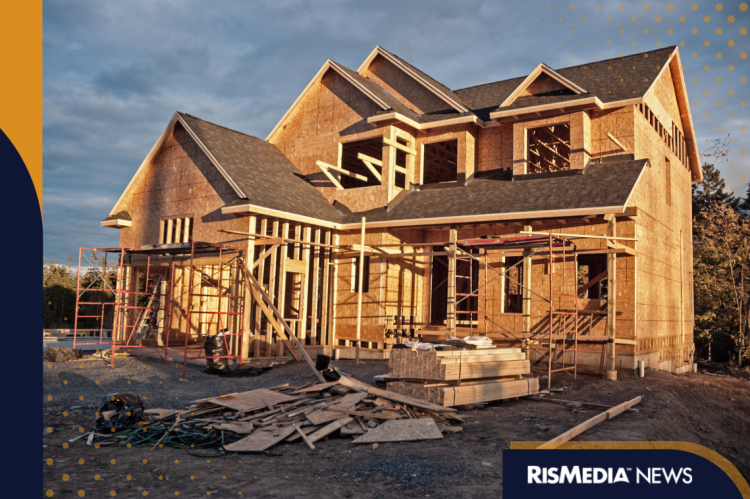
In today’s frazzled residential real estate market, with mortgage rates stubbornly high and inventory issues in many parts of the land dovetailing high prices for homebuyers, it is always nice to see some data favorable to buyers. Namely—builders have overestimated the demand for their finished houses and are slashing prices in many cities, according to an analysis from Realtor.com®.
Around four in 10 builders have had to do so, as the pressure on them to sell is higher than a regular homeowner who can wait out the market. Builders must churn, selling what’s completed so they can build new homes. So to move product, they’re putting on a sale akin to a store that wants last year’s fashions out the door so they can showcase new ones.
New-home sales have dipped as construction faces continued affordability and demand challenges. Indeed, the New Residential Sales report saw new-home sales fall 7.3% to a rate of 580,000 in May, down from April’s revised rate of 626,000 (originally reported as 682,000). This is also down 6.8% year-over-year (from 622,000).
This fall in sales follows a similar trend in housing starts in the latest New Residential Construction report, which were down 15.4% month-over-month and 8.7% year-over-year in May, bottoming out to a six-year low. Completed home constructions were also down 8.1% month-over-month and 14.2% year-over-year in conjunction.
What follows are the 10 U.S. metro areas where the largest share of builders have cut prices on new homes, with some market specifics for each.
Fresno, California – The market is somewhat competitive. Over the last three months, homes in Fresno receive two offers on average and sell in around 43 days. The median sale price of a home in Fresno was $405K over the last three months, down 0.06% since the same period last year. The median sale price per square foot in Fresno is $258, up 2.2% since last year. Fresno is growing, with its population increasing at an annual rate of about 0.56% and outpacing several other major California cities like Sacramento.
Charleston-North Charleston, South Carolina – Over the last three months, Charleston home prices were up 5.5% compared to the same period last year, selling for a median price of $640K. On average, homes in Charleston sell after 68 days on the market compared to 56 days last year. There were 1,012 homes sold in May this year, up from 945 last year. Charleston offers relative affordability and has been shifting from a strong seller’s market. More fundamentally, the area offers a coastal lifestyle and historic charm that creates a steady demand from homebuyers relocating, with local brokers calling the shift toward price reductions “normalization.”
San Antonio-New Braunfels, Texas – Over the last three months, San Antonio home prices were down 2.6% compared to the same period last year, selling for a median price of $260K. On average, homes in San Antonio sell after 73 days on the market compared to 58 days last year. There were 2,989 homes sold in May this year, down from 3,132 last year. The market has tilted in buyers’ favor heading into mid-2026. The catch: Sellers are pulling back, with new listings down 20% in recent months, which could tighten inventory again before year’s end.
Las Vegas-Henderson-North Las Vegas, Nevada – The median price of existing single-family homes sold in Southern Nevada hit a record high of $490,000 in May, even as fewer homes changed hands, Las Vegas Realtors® reported recently. The median price is up 2.1% from one year earlier, topping the previous all-time high of $488,995 set in November 2025.
Austin-Round Rock-San Marcos, Texas – This is a buyer’s market featuring declining home prices, rising inventory and increased negotiating power. The median home sales price in the Austin metro is roughly $440,000, while prices inside Austin proper sit higher at around $542,000 to $570,000. Notably, Austin was flagged as one of the most overvalued markets in the country by researchers during the pandemic boom, and has since seen prices and activity decline.
Greensboro-High Point, North Carolina – Over the last three months, Greensboro home prices were up 3.1% compared to the same period last year, selling for a median price of $289K. On average, homes in Greensboro sell after 46 days on the market compared to 35 days last year. There were 809 homes sold in May this year, down from 843 last year. The active inventory sits at roughly 1.7K homes for sale, underscoring available options for buyers and stable opportunities for renters.
Phoenix-Mesa-Chandler, Arizona – The Phoenix housing market is neither surging nor crashing. Instead, it appears to be caught in a stalemate. According to the REMAX May National Housing Report, Phoenix is one of the most intriguing real estate markets, posting the largest year-over-year decline in active inventory among the 51 metro areas surveyed while also maintaining one of the country’s highest inventory levels and longest average selling times.
Dallas-Fort Worth-Arlington, Texas – The Dallas housing market is somewhat competitive. Over the last three months, homes in Dallas receive two offers on average and sell in around 40 days. The median sale price of a home in Dallas was $499K over the last three months, up 9.8% since the same period last year. The median sale price per square foot in Dallas is $245, down 3.4% since last year.
Winston-Salem, North Carolina – The Winston-Salem housing market is somewhat competitive. Over the last three months, homes in Winston-Salem receive one offer on average and sell in around 37 days. The median sale price of a home in Winston-Salem was $295K over the last three months, up 5.7% since the same period last year. The median sale price per square foot in Winston-Salem is $168, down 4.3% since last year. The market continues to attract buyers because of its relative affordability, strong healthcare and education sectors, and mix of historic and suburban neighborhoods.
Denver-Aurora-Centennial, Colorado – As spring sprung for the start of the home-selling season in metro Denver, there were fewer houses for sale compared with the prior spring. In April, the number of active listings for single-family homes fell 14.2% from April 2025. In May, it was off by 20.5%. In June, active listings were off 21.1%, or about 3,000 homes. Meanwhile, home sales have been subdued, with year-to-date sales in the Denver area up just 0.2% from last year. June’s median price was flat, up 1.6% in a year to $650,000.