- You’ve spent your career at the intersection of real estate and technology. Tell us about your role at Zillow and what you’re most focused on right now.
My role at Zillow is about making sure the industry serves consumers. I help lead our industry relations and partner education efforts, and a big part of that is ensuring agents understand how to use Zillow’s tools to better serve buyers and sellers at every stage of their journey.
What I’m most focused on right now is closing the gap between what consumers expect and what they actually experience. Buyers and sellers come to Zillow with high expectations. They want fast responses, full visibility into their options and to feel like their agent is genuinely serving their best interests. Our job is to give agents the products and resources they need to show up that way. Speed, exposure, seamlessness—that’s the industry working the way it should. When every part of the transaction works together, that’s the industry at its best.
- Your team travels the country speaking to industry partners, educating on Zillow products and tools, and getting the latest insights from agents. What is one resounding piece of feedback you’re hearing this year?
What we hear consistently, whether we’re in Phoenix or Philadelphia, is that agents feel the pressure of rising consumer expectations and they’re trying to figure out how to meet them.
Buyers today expect to understand a home before they ever request a showing – the space, the flow, how it fits their life. The listings that perform best aren’t necessarily the ones with the most assets, but the ones that tell a coherent story across photos, floor plans, and tours, in a way that helps someone understand what it’s actually like to live in that home. Buyers come to showings already oriented, which means agents spend less time on logistics and more time actually advising.
That’s the shift we’re designing the Zillow ProSM membership around: giving agents the tools to help buyers build that context early, so the relationship can be front and center when it counts.
- There’s a lot of conversation right now around where listings should live and who gets to see them. Why does open access to listings matter? What’s at stake for buyers, sellers, and agents when it’s missing?
When listings are hidden, everyone loses. Buyers may never see a home that was right for them. Sellers get less exposure, which typically means fewer competing offers and less leverage. And agents lose the ability to fully represent their clients, because they’re not working with the full picture. It also breaks down the agent-client relationship. Buyers and sellers could end up choosing to work with an agent based on listing access, rather than choosing to work with an agent that’s right for them and their needs.
The U.S. real estate industry built something remarkable over the last 20 years: one of the most transparent housing markets in the world. That didn’t happen by accident. It happened because of a shared commitment to open, cooperative access to listing data. When we start moving away from that, for whatever reason, we’re chipping away at the foundation that makes the whole system trustworthy and effective. Consumers deserve to see all of their options. Sellers deserve maximum exposure. Agents deserve to compete on expertise and service rather than access to hidden inventory. That’s what makes the market work.
- It’s been a busy few years in the real estate industry, and Zillow is often at the center or part of the conversation. How do you stay focused when the environment is so dynamic?
What keeps me grounded is that our core principles don’t shift with the news cycle. At Zillow, we have core beliefs as it relates to the consumer: access to all available listings, independent representation from an agent who’s truly working for them, and transparency around compensation. Those aren’t new positions we developed in response to recent debates, but part of our fabric as a company.
When you have that kind of clarity, it actually makes the dynamic environment easier to navigate. The consumer is always the north star. Every product we build, every policy we advocate for, every partnership we pursue runs through that filter. Are we making this better for the person trying to buy or sell a home? If yes, we move forward.
- After your RISMedia panel last year, you mentioned one of your fellow panelists drew a line between the work agents do and the book Unreasonable Hospitality by Will Guidara. Tell us a little more about what agents can learn from that book?
Absolutely. What struck me was Guidara’s core premise. He believes hospitality isn’t about efficiency, but about making people feel truly seen. At Eleven Madison Park, his team would pick up on something a guest mentioned in passing – a milestone anniversary, a first trip to New York – and respond with something completely unexpected and personal. The experience was consistently elevated all because someone was paying attention.
Now think about a homebuyer. They’re often making the biggest financial decision of their lives. They’re excited and scared and overwhelmed, sometimes all at once. A great agent doesn’t just navigate the transaction — they read what that person actually needs in that moment. Sometimes it’s information. Sometimes it’s reassurance. Sometimes it’s just a listening ear.
Guidara draws a distinction between service and hospitality. Service is transactional – you execute what’s expected. Hospitality is emotional – you make someone feel like they matter. The agents who build lasting businesses, the ones with referrals and repeat clients and real loyalty, are practicing hospitality. They may not call it that, but that’s what it is.
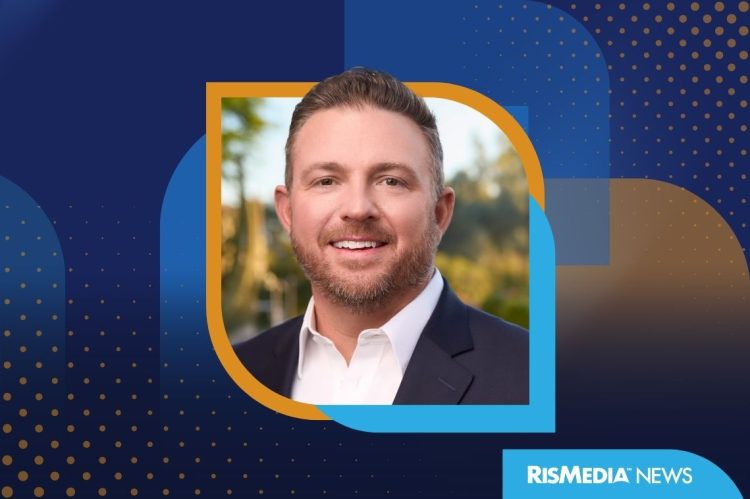
Matt Hendricks will be at RISMedia’s CEO & Leadership Exchange September 30 – October 2, where he’ll join a panel of portal and brokerage leaders to discuss what the listing evolution means for brokers, agents, consumers and the future of residential real estate.