RISMedia
  • News
  • Premier
  • Reports
  • Events
  • Power Broker
  • Newsmakers
  • More
    • Publications
    • Education
No Result
View All Result
  • Agents
  • Brokers
  • Teams
  • Marketing
  • Coaching
  • Technology
  • More
    • Headliners New
    • Luxury
    • Best Practices
    • Consumer
    • National
    • Our Editors
Join Premier
Sign In
RISMedia
  • News
  • Premier
  • Reports
  • Events
  • Power Broker
  • Newsmakers
  • More
    • Publications
    • Education
No Result
View All Result
RISMedia
No Result
View All Result

Ways to Reduce Food Waste

Home CRISIS-Friendly
May 8, 2019, 4 pm
Reading Time: 3 mins read
Ways to Reduce Food Waste

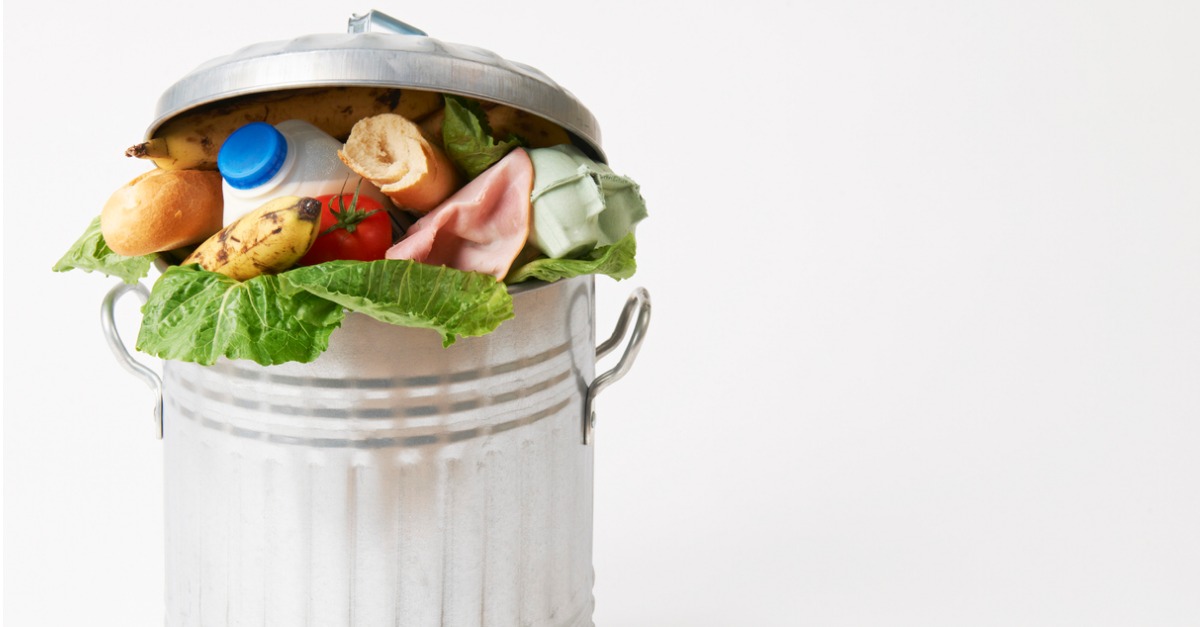
Food waste is a major issue in households across the U.S. Too often, we unintentionally buy or cook more food than necessary and then decide to throw out the extras. Reducing food waste not only helps conserve resources and protect the environment from more landfill gases–it could also save you a lot of money.

Shop Smart
One of the most effective ways to ensure you don’t waste food at home is determining what to buy at the grocery store. Plan your meals for the week ahead, and prepare a detailed shopping list. Before going to the store, take inventory of your food pantry, fridge and freezer to ensure you don’t accidentally buy ingredients you already have.

When at the store, try sticking to your shopping list. Although it may make sense to take advantage of special offers or buy in bulk, such deals could end up being a waste of money and food if you don’t use the products before they go bad. Therefore, consider an item’s shelf life, and don’t buy additional fresh produce and other perishable items just because they’re on sale.

To avoid impulse buying, which can fill up a shopping cart with unnecessary items fast, never go shopping while hungry.

Store Strategically 
Keep your pantry and fridge clean and organized. This will ensure you know what’s in them and don’t forget about hidden items before it’s too late.

You could unpack your groceries using what many restaurants and supermarkets call the “first in, first out” rule. By placing the newest items behind older ones, you’ll likely remember to use the older items first.

To prolong the shelf life of cereals and other dry goods, store them in airtight containers in the pantry, and to help vegetables keep their crunch, place them in the refrigerator’s crisper drawer. As many fruits ripen, including apples, bananas and tomatoes, they release natural gases that make other nearby produce spoil faster; therefore, store fruits separately.

Embrace Your Freezer
The freezer is your biggest ally in the war against food waste, as freezing allows you to safely store items for long periods.

If you buy meat in bulk, you could put the amount you won’t be using that week in a freezer bag. If you have leftovers you don’t plan to eat immediately, including soups and other liquids, you can freeze them until you’re ready to reheat them. If bread usually goes stale in your home, you can freeze half the loaf for later use. If you want to cut your time in the kitchen or use ingredients before they go bad, you can cook and then freeze whole meals days in advance.

Again, the freezer is your friend.

Understand Date Labels
Contrary to popular belief, date labels on products are merely guidelines that often cause people to throw out food that’s perfectly edible. A “sell by” date label is for the store’s benefit, not a customer’s, and “best by” or “use by” date labels indicate when the manufacturer thinks a product will lose its peak quality. Just because the label’s date has passed, it doesn’t mean the food is unsafe to eat.

That said, use your senses to determine whether the food item has become mushy, discolored, moldy or stinky. If it has, the food is most likely unsafe to eat, and you should throw it out. When it comes to dealing with signs of spoilage, always err on the side of caution.

Get Creative
Food doesn’t need beautiful ingredients to taste good. If you have vegetables or fruits a bit past their prime, they may still be edible and useful. For example, overly ripe bananas are great for banana bread, cake or muffins. Other fruits that have begun to go soft can also be made into fresh juices, jams or smoothies, and soft tomatoes are prime ingredients for pasta sauce. Aging or wilting vegetables might not look as appetizing as brand-new ones, but they could be fine for soups, stir fries, homemade stocks or casseroles. Explore cookbooks and online recipes to find creative ways to use food you might otherwise waste. Both the environment and your wallet will be better off.


ShareTweetShare
Maria Patterson

Maria Patterson

Maria Patterson has more than 30 years of experience in executive positions within B2B publishing, 18 of which have been spent as RISMedia’s Executive Editor, overseeing the creation and direction of RISMedia’s award-winning print and digital content, as well as providing strategic planning for RISMedia events. A graduate of NYU’s journalism school, she previously served as editor-in-chief at Miller Freeman in NYC.

Related Posts

How to Prioritize School Districts and Property Value When Buying and Selling
CRISIS-Friendly

How to Prioritize School Districts and Property Value When Buying and Selling

March 4, 2026
How to Time Your Home Purchase When Inventory Is Low
CRISIS-Friendly

How to Time Your Home Purchase When Inventory Is Low

March 4, 2026
A Room-by-Room Guide to Layering Textures
CRISIS-Friendly

A Room-by-Room Guide to Layering Textures

March 4, 2026
Creating Flexible Spaces That Adapt to Work, Play and Relaxation
CRISIS-Friendly

Creating Flexible Spaces That Adapt to Work, Play and Relaxation

March 4, 2026
Dining Room Touches That Make Gatherings Memorable
CRISIS-Friendly

Dining Room Touches That Make Gatherings Memorable

March 4, 2026
How Lighting Placement Transforms the Feel of a Room
CRISIS-Friendly

How Lighting Placement Transforms the Feel of a Room

March 4, 2026
Please login to join discussion
Tip of the Day

HomeSmart: The Next Chapter

After spending decades shaping real estate’s first and most successful 100%-model brokerage into an industry powerhouse, HomeSmart Founder and CEO Matt Widdows is poised to storm the industry with a bold new brand, agent-first commitment and a powerhouse leadership team. Read more.

Business Tip of the Day provided by

Recent Posts

  • Guiding Agents Through Change and Opportunity
  • Maximizing MLS Strategic Partnerships
  • The 21st Century ROAD to Housing Act: What Is in the Landmark Bill Passed by the Senate?

Categories

  • Spotlights
  • Best Practices
  • Advice
  • Marketing
  • Technology
  • Social Media

The Most Important Real Estate News & Events

Click below to receive the latest real estate news and events directly to your inbox.

Sign Up
By signing up, you agree to our TOS and Privacy Policy.

About Blog Our Products Our Team Contact Advertise/Sponsor Media Kit Email Whitelist Terms & Policies ACE Marketing Technologies LLC

© 2026 RISMedia. All Rights Reserved. Design by Real Estate Webmasters.

No Result
View All Result
  • Home
  • Premier
  • Reports
  • News
    • Agents
    • Brokers
    • Teams
    • Consumer
    • Marketing
    • Coaching
    • Technology
    • Headliners New
    • Luxury
    • Best Practices
    • National
    • Our Editors
  • Publications
    • Real Estate Magazine
    • Past Issues
    • Custom Covers
  • Events
    • Upcoming Events
    • Podcasts
    • Event Coverage
  • Education
    • Get Licensed
    • REALTOR® Courses
    • Continuing Education
    • Luxury Designation
    • Real Estate Tools
  • Newsmakers
    • 2026 Newsmakers
    • 2025 Newsmakers
    • 2024 Newsmakers
    • 2023 Newsmakers
    • 2022 Newsmakers
    • 2021 Newsmakers
    • 2020 Newsmakers
    • 2019 Newsmakers
  • Power Broker
    • 2025 Power Broker
    • 2024 Power Broker
    • 2023 Power Broker
    • 2022 Power Broker
    • 2021 Power Broker
    • 2020 Power Broker
    • 2019 Power Broker
  • Join Premier
  • Sign In

© 2026 RISMedia. All Rights Reserved. Design by Real Estate Webmasters.

X