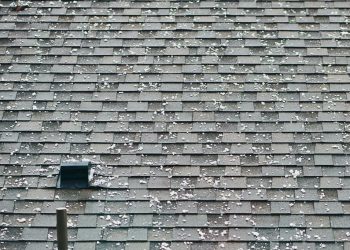
Kitchen and bathroom exhaust fans need to be vented, but it must be done correctly to avoid causing damage to your home. If you vent a fan into the attic, you may find yourself having to deal with costly repair bills and possibly also expenses for medical treatment.
Why Venting a Fan Into the Attic Can be Problematic
An exhaust fan sucks in humid air and blows it through a vent. Moist air needs to be redirected away from building structures to prevent mold, mildew and dry rot. If moist air is not properly vented, you may encounter serious problems involving the attic and roof in the future.
If a fan is vented into the attic, the pipe can partially block the roof vent. That can reduce air circulation in the attic.
Since the attic is not insulated, it’s colder than the rest of the house in the winter. If warm, moist air is vented to the attic, the air can fall below its dew point when it comes into contact with the colder temperature upstairs. The air will no longer be able to hold moisture and condensation will form, which can damage insulation and can cause mold and rot.
If you don’t inspect your attic on a regular basis, the problem may continue for months, or even years, before it’s detected. When you finally realize that there is an issue, the damage may be so severe that you need to replace insulation, rafters or possibly even the entire roof.
Mold in the attic can make your home unsafe for your family to live in. It can cause respiratory problems, especially in people who have underlying health conditions, such as asthma. If you vent exhaust fans to the attic and wind up with a mold problem, you may have to pay thousands of dollars to have professionals clean it up and make repairs. In the meantime, you and your family may be forced to find somewhere else to live temporarily.
How an Exhaust Fan Should be Vented
Air from an exhaust fan should be vented outside of your home, not simply moved to another part of the house. Even if your attic is vented, an exhaust fan should still be vented to the outside of the house, not into the attic. Most cities and towns require exhaust fans to be vented outdoors.
Air that is expelled from the house should be released far enough away from any opening to keep it from leaking back inside and causing moisture problems. Ventilation ducts should be sealed to prevent moisture leaks.