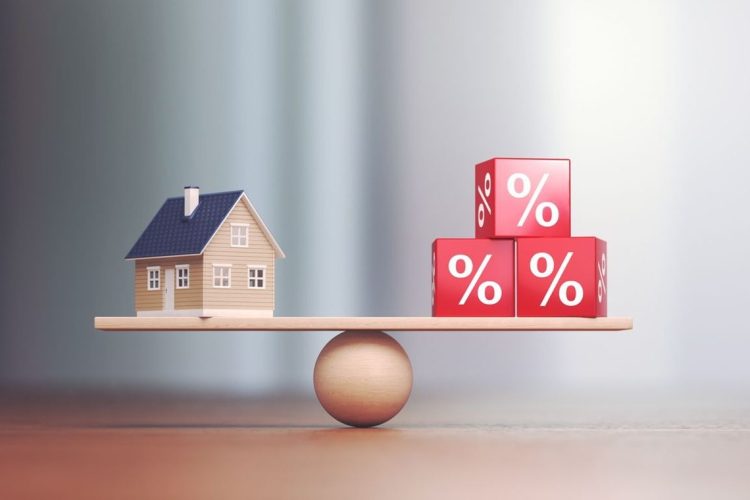
Freddie Mac reported today that mortgage rates increased this week, still being driven by geopolitical tensions and sticky inflation, according to economists.
The average mortgage rate increased 7 basis points to 6.37%, up from 6.30%, last week, according to the latest Primary Mortgage Market Survey® (PMMS®), released by Freddie Mac Thursday.
“The expectation of rates below 6% this spring has disappeared and buyers and sellers likely will face rates in the mid-6% range into the summer,” said Bright MLS Chief Economist Lisa Sturtevant
She expects with rates inching back up, the markets are going to see new listing activity driven by those who need to move out of necessity for family or job changes, for example, while discretionary or optional moves will be put off, particularly by those homeowners currently holding sub-4% mortgage rates.
There will also be a divide, she said, between homebuyers who remain active this spring, and those who decide to wait.
“Equity-rich, higher-income households are less interest-rate sensitive and are more likely to take advantage of expanding inventory to make a purchase this spring,” Sturtevant said. “The other group includes first-time buyers and lower-income households who are feeling more economic uncertainty and the strain of rising mortgage rates.
That creates what’s known as a “K-shaped” market, she says, with strong activity among higher-income, move-up buyers and sluggish activity at the lower-end of the market.”
Realtor.com Senior Economic Research Analyst Hannah Jones pointed to renewed conflicts in the Middle East with U.S. forces clashing with Iran in the Strait of Hormuz this past week as having reignited inflation fears and sent Treasury yields, which mortgage rates closely track, sharply higher.
“After a brief period of optimism that rates might finally be settling down, this fresh escalation served as a reminder that the path to lower rates runs squarely through the Persian Gulf right now,” Jones said. “The ongoing conflict has kept oil prices elevated, feeding inflation and giving the Federal Reserve little reason to cut rates anytime soon.”
She said the bottom line for borrowers is that the forces keeping rates up are global, and there is no clear near-term catalyst for a meaningful, sustained decline. Despite this less-than-sunny outlook, Jones noted that mortgage rates remain near their lowest levels in the last few springs, meaning buyers are still in a better position to afford a home this buying season compared to years past.
“The market is more navigable than the headlines suggest for buyers willing to think creatively about their options,” said Jones. “Whether that means shopping lenders to secure a better rate, using time on the sidelines to build toward a stronger down payment, or exploring multigenerational living to make the numbers work, the path to homeownership remains open.”
Freddie Mac Chief Economist also pointed to some recent trends as pluses for the market despite rates lingering above 6%.
“Recent data points to slightly better conditions for buyers with a boost in new-home sales, median new-home prices being down to their lowest level since July 2021 and higher inventory than in recent years,” Khater said. “Together, these trends could modestly ease affordability pressures through the spring homebuying season.”
Click here for the full Freddie Mac report.