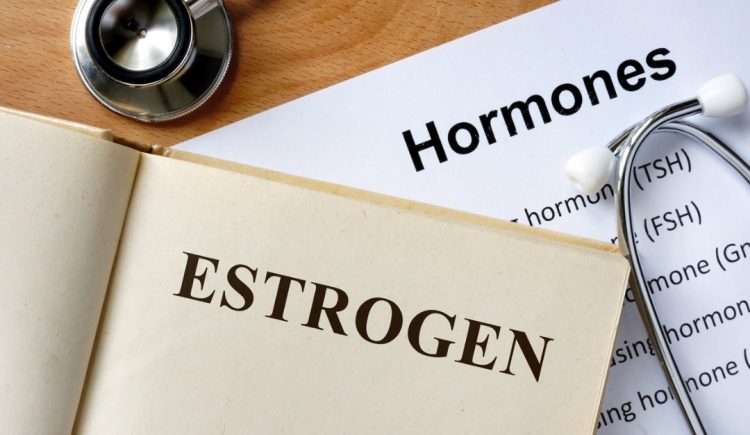
Estrogen is a very important hormone when it comes to the overall health of women of all ages. Too much or too little estrogen, however, can negatively impact your mental and physical health. This hormone can help maintain healthy cholesterol and calcium levels. And it may even help prevent Alzheimer’s. So maintaining healthy estrogen levels is important not only to live longer but to feel better.
Low estrogen levels are particularly common for women who are going through menopause, which creates several uncomfortable symptoms. Here are five signs you may have low estrogen levels, and steps you can take to improve them.
Mood Swings and Depression
Because estrogen helps stabilize serotonin in the brain, too little can cause mood swings, irritability and depression.
Weight Gain
Low estrogen levels cause your body to metabolize starch and sugars less effectively, resulting in an increased risk of weight gain and decreased muscle mass.
Hot Flashes
Your hypothalamus, or the part of your brain that controls your internal body temperature, can be negatively affected by low levels of estrogen, causing hot flashes and night sweats, which can cause your sleep to be disrupted.
Fatigue
Your thyroid depends on your estrogen levels, so when they are low, your body has a hard time dealing with stress, creating fatigue and lethargy.
How Can You Raise Estrogen Levels Naturally?
- Vitamin D – Maintaining a healthy level of Vitamin D, which plays a role in estrogen synthesis, can help raise and maintain proper estrogen levels. Be sure to spend time outside in the sun or take Vitamin D supplements, if needed.
- Soybeans – Organic soybeans contain phytoestrogens, which can help raise deficient levels of estrogen as well as lowering excess levels, creating a healthy balance. Consider adding more soy-based foods into your diet.
- Flax and Sesame Seeds – Both of these seeds are natural phytoestrogens, which can help with your metabolism. Add these tasty options to your salads, smoothies and other foods.