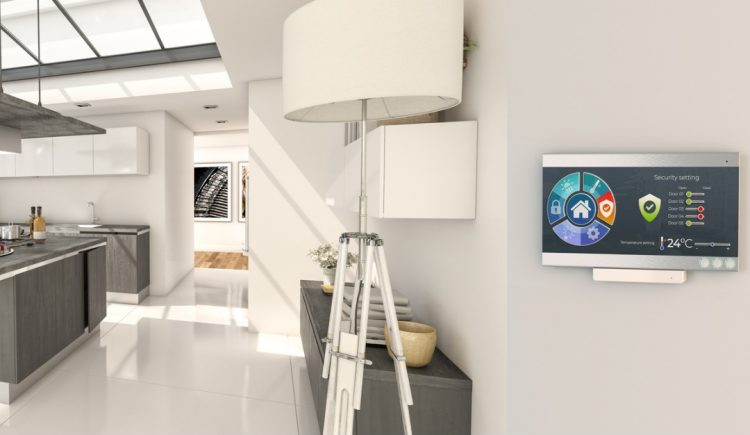
High utility bills can have several causes. Often, energy bills spike because of drafts or inefficient windows, but the issue is sometimes related to the thermostat. Where your thermostat is located and its proximity to heat sources can influence its readings and the way it functions.
Why Your Thermostat May Be Getting an Inaccurate Reading
Your thermostat measures the temperature in the area around it and interprets that as the temperature of the entire house. If the thermostat is located near a heat source, such as a lamp, an electronic device, the kitchen, the laundry room, a bathroom or an air vent, the temperature in those areas will be higher than it is in other parts of the house.
In the summer, the air conditioning may turn on, even if the rest of the house is at a comfortable temperature and cooling isn’t necessary. In the winter, the thermostat might not cause the furnace to turn on, even if most of the house is cold.
A thermostat that’s located near a door, a window or an exterior wall may lead to other problems because during the winter, those areas are typically colder than the rest of the house. The thermostat may register a cold temperature reading and interpret that as a sign that the entire house is cold. It may then cause the furnace to turn on, even if that isn’t necessary, which can cause your utility bills to be artificially high.
All of this can lead to frustration for you and your family. Some parts of the house may be uncomfortably hot or cold, and you may pay more than you should for heating and/or cooling.
How to Make Sure Your Thermostat Is Doing What It Should
Avoid placing anything that generates heat, such as appliances, lamps and electronic devices, near your thermostat. If your thermostat is currently located near something that produces heat and you can change the location of the heat source, that can help the thermostat get more accurate temperature readings so it can heat and cool your home effectively.
If the thermostat is near a window, door, air vent or something else that’s affecting its temperature readings and that you can’t move, changing the thermostat’s location may solve the problem. It’s best to place a thermostat in an interior part of the house away from doors, windows and heat sources. It should be in a place where people spend a lot of time so it will measure the temperature in the main living area and respond appropriately. Contact an HVAC professional to discuss changing your thermostat’s location.