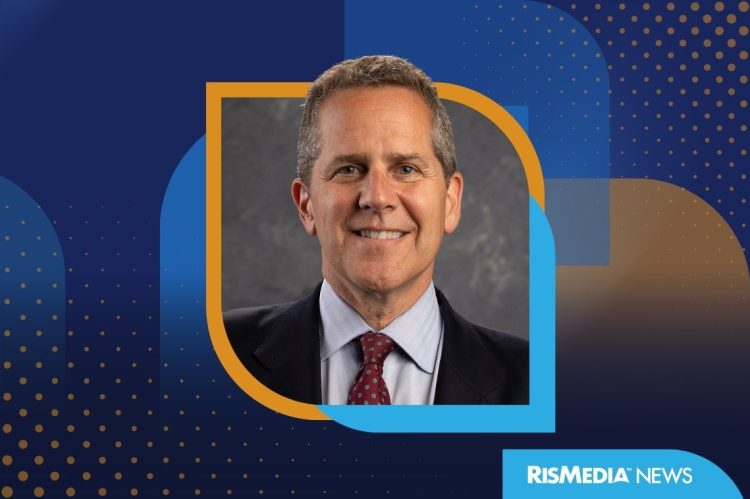
In a Sept. 1 speech at the Second Chance Lending Forum in Washington, D.C., focusing on the economic outlook and financial inclusion, Federal Reserve Governor Michael S. Barr noted that the labor market is stable with relatively low unemployment, with the economy growing solidly, “powered in part by the boom in AI-related business investment and the build out of AI-related capabilities.”
But he cautioned that a series of shocks from tariffs and conflicts in the Middle East, as well as from the rapid AI build-out pushed things off course, and was not sure where things were headed.“With inflation above target for a protracted period, there is a risk for broader price pressures taking hold,” he said. “That’s a risk I’m watching closely. At our September FOMC meeting we will again discuss the outlook for inflation and our policy stance. If trends in the data give me some confidence that inflation is moderated on a path to 2%, then we can take a bit more time to assess our policy stance. However, if inflation appears not to be moderating sufficiently, then I think we should act decisively to raise rates.”
The comments come on the heels of Fed Chairman Kevin Warsh recently saying that there was no clear indication of potential decisions ahead of the Fed’s next meeting, but noted there is “work to do” to continue moving inflation toward the Fed’s goal of 2% inflation.
At its most recent meeting, three Fed members voted for a rate hike (Barr was not one of them) as the central bank chose again to keep rates steady. Those who supported a rate hike said that the decision is based on worries that inflation will continue to rise without “restrictive” policy interventions, also citing the Iran war and rising energy costs.
In mid-July, Barr had said he agreed with the Fed’s wait-and-see approach “given that level of uncertainty, changes in policy and uncertainty about how that policy translates into the economy.”
Formerly the Fed’s Vice Chair of Supervision—a role which focuses on oversight and banking regulation—Barr stepped down before President Donald Trump assumed office in January, amid reports that Trump would likely attempt to oust him from the position. That role was filled by Michelle Bowman, who was first appointed by Trump in 2018.