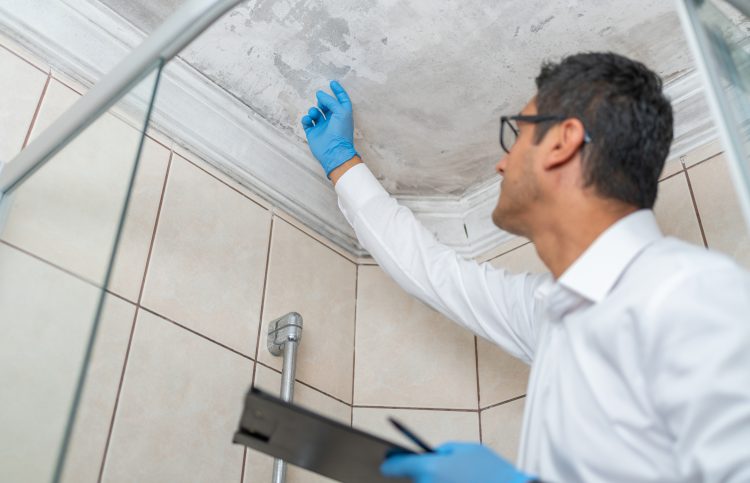
Spring is the busiest season for home sales, but the ‘dream home’ narrative often ends abruptly once the inspector arrives. Visible mold or a history of moisture issues frequently leads to inspection contingencies, allowing buyers to back out or demand costly repairs, while lenders may refuse financing on affected homes.
Restoration 1 owners Vanessa and Kenny Van Holland have seen it all. They know the tiny water spot that hides a $15,000 mold problem and the lingering smoke damage that sends potential buyers running. Most of these red flags are addressable, but only if the seller catches them before the listing goes live. Here are three major potential mold locations.
Behind cabinets and bathroom vanities
Minor plumbing issues can go undetected for long periods, allowing moisture to build up behind enclosed spaces where mold can develop out of sight. Homeowners can do a quick check by opening cabinets and looking for warped wood, discoloration or a musty odor, which are often early signs of prolonged moisture exposure.
HVAC systems and ductwork
Homes with past humidity or water issues may have mold inside vents, which can circulate spores throughout the property without visible warning signs. If you notice a persistent musty smell when the system is running or see dust buildup that appears dark or speckled around vents, it may be worth having the system inspected.
Around windows and beneath flooring
Compromised window seals and previous water intrusions can trap moisture within walls or under flooring, creating ideal conditions for hidden mold growth. Warning signs can include soft or swollen baseboards, staining near window frames or flooring that feels uneven or slightly lifted underfoot.